

About this episode
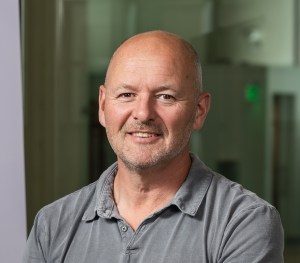
Duncan Logan is a Scottish “farm kid” who walked away from a 6,000-acre fruit and veg operation, crashed into the adrenaline of London derivatives trading, and reinvented himself as the founder of RocketSpace, the launchpad that quietly incubated Uber, Spotify, Flexport, and more. In this episode, we trace his swings from battling the National Association of Realtors over a radical real-estate play, to expanding startup hubs into China just as the political winds shifted, to shutting down RocketSpace and starting over with 9Zero, his bid to build the “rails” for climate entrepreneurship and a physical, human-scale Silicon Valley for climate. Along the way, Duncan opens up about regret, risk, compounding, mentorship, political backlash, second careers, and why he believes every company will ultimately become a climate company.
Notes and resources
Full transcript
Michael Ethan Gold (00:01)
Duncan Logan, welcome to Climate Swings. It’s wonderful to have you here.
Duncan Logan (00:05)
Thanks for the invitation. I’m excited to chat today.
Michael Ethan Gold (00:10)
So the way I usually like to start is to ask you to give a brief self-introduction, a few high-level bullet points about your career, and a brief summary about what you’re doing now.
Duncan Logan (00:21)
Okay. ⁓ Well, I’m originally Scottish or I shouldn’t say originally Scottish. I am Scottish. I’m always going to be Scottish. But from Scotland, my parents are farmers. ⁓ I actually didn’t go into farming. I went to banking and became a derivative trader in London for a couple of years before making the switch to become an entrepreneur. And really the rest of my career has been in that entrepreneurial journey. I had a
small company in London, which ⁓ we built and sold. I then joined a friend’s startup, which is quite an incredible company, ⁓ Message Labs. And he built that and sold that to Symantec in California, which was my trigger to get across to the USA, which I’d always wanted to do. I married an American, which is ⁓ an easy way to, ⁓ long-term view, but an easy way to get in here.
And then in 2011, I started a company called RocketSpace. about a year and a half ago, we started 9Zero. So ⁓ that’s what, yeah, that’s what I’m focused on.
Michael Ethan Gold (01:37)
And we usually start kind of at the beginning and then move forward. But in this case, I might actually ask you to provide a few words about 9Zero because some of my audience, I think, will be familiar with it. I’ve actually done a live podcast recording there before, and I’ve met a number of guests through 9Zero. So if you could give like a couple of words about it, that’d be great.
Duncan Logan (01:55)
Yeah, so the starting point of 9Zero is really ⁓ just how hard it is to build ⁓ a company in the climate space. I think ⁓ coming from the pure tech angle, climate is significantly harder to build a startup here. And the idea with 9Zero is could we build out the rails and the infrastructure to make that a lot easier?
So we’ve started with physical space to bring the community together because there is no Silicon Valley for climate. So we thought, let’s do something a little strange for a kind of tech startup, but let’s start by building that physical space and then layer on top of that ways to help our members connect with each other and then help them get through funding, get to meet corporates, get to media and so forth.
So that’s the vision of what we’re building.
Michael Ethan Gold (02:54)
And you have ⁓ two, three like in-person spaces now?
Duncan Logan (02:59)
Yeah, so we’re still very much in test and trial mode. I wouldn’t say we’ve found product market fit by any means, but it’s a network effects business. We started in San Francisco and ⁓ that now has north of 600 members there doing great. But then we added another, what we call node to the network up in Seattle through a relationship with the University of Washington, their
Incubator Arm Co-Motion and VirtuLab. And so that’s our second location. And, you know, we see ourselves getting to probably eight locations in the U.S. over the next 12 to 18 months.
Michael Ethan Gold (03:43)
Great, well you’ve already sort of ⁓ peaked ahead, ⁓ sort of through the curtain of the future, but let’s now rewind the clock and let’s start ⁓ with your university years, because you went to the University of Aberdeen and you actually majored in Agricultural Business and Management. You said that that was kind of like the family business, was that essentially just a legacy of what your father did?
Duncan Logan (04:05)
Yeah, I mean,
it is a farm. It was an agribusiness. It was a ⁓ big farm by UK standards. It’s about 6,000 acres of fruit and veg. So it was a big farm. And yeah, I still have a real passion for farming. I keep up to date on everything that’s going on there. I really love being brought up on a farm. But when it came to choosing a career, ⁓ you know, there’s only
so many cycles you get in farming. If you started in your 20s and retire in your 60s, you maybe get 40 chances ⁓ to improve and get better through your entire career. Whereas in tech and other industries, I think you get far more chances to improve.
Michael Ethan Gold (04:55)
Was there like a sense in college that the tech industry was calling to you because the agricultural sector seemed a little too slow or a little too kind of provincial? I mean, what was sort of like the big picture, ⁓ your big picture thinking?
Duncan Logan (05:10)
Yeah,
I think I was possibly the first kid at school to get a computer. ⁓ And my father or to have a desktop permanently in my school room. my father had always been a real proponent of, listen, you can always come back to agriculture, but you should go and explore the world, do other things first. ⁓
And so I kind of took that on board. I had a real passion ⁓ for, you know, using computers. I’m not a coder. And that kind of drew me to my first job in Drifted, which was very computer generated.
Michael Ethan Gold (05:56)
Yeah, how did that materialize? You went to, were in London for your first stop in your career trading derivatives. What was that experience like?
Duncan Logan (06:05)
So the experience was not great, if I’m honest. I did the graduate program back then, we’re talking ⁓ early 90s, back then the thing to try and get onto when you came out of university was a graduate program with one of the big banks, Goldman Sachs, Merrill Lynch. I ended up with Swiss bank because they had a real derivative focus.
And so I managed to get onto that program, but it is hard, hardcore math. And you know, you really are in there with computer scientists and they were, you know, many grades above my mathematical standards. ⁓ So I find it really hard, but the physical component, I actually ended up on the life exchange, which is open out cry trading where, know, it’s famous back in the movies, you see people shouting and screaming at each other with various hand signals. ⁓
That’s what I ended up doing. you know, I actually really enjoyed that for the time that I did.
Michael Ethan Gold (07:10)
It was kind of the adrenaline rush, I guess, sort of the in the moment.
Duncan Logan (07:14)
Yeah, it was, but even then I can remember being on the Life Exchange and they were talking about expanding the pits and making it bigger. And I just thought, you know, surely computers could do this better and surely, you know, computers could do this without us in the middle. ⁓ Effectively, we took orders from people sitting behind computers. We traded it and told them what the price was and so forth.
I didn’t think it was going to take a genius to work out how to do the whole thing digitally.
Michael Ethan Gold (07:48)
So I guess your interest in digital, I mean, there’s a natural sense that digital will draw in an entrepreneurial mindset because it was such an open space, I mean, presumably, especially at the time, right? So you ended up just founding your own company essentially right after that derivatives experience. And that was CityPro. Can you talk about that a little bit?
Duncan Logan (08:11)
Yeah,
well, CityPro was my first entrepreneur. You know, it’s a really important moment for me because I had this pretty well established career to work my way up through banking. You get paid well, you can build a career there and to jump out of that and go and do something entrepreneurial was a pretty big risk at the time. But I just felt I wanted to do more than just, you know, I wanted to do something more impactful than just
trade numbers. And so I set up CityPro. We were actually a reseller of ⁓ a piece of software called Goldmine that was produced in the US. fortunately, that company grew incredibly quickly and we sold it three years later. But as my first experience in an entrepreneurial business, it was fantastic.
Michael Ethan Gold (09:06)
What did City Pro do?
Duncan Logan (09:08)
So we basically, we resold software. So we would find the client and then we would go in, customize the software, install the software, teach the client how to use it, and then support that software on behalf of a software company in the US. And we built up a customer list very quickly and had all the exciting things of building a team, finding offices, finding bigger offices.
You know, acquiring our own software. And yeah, was a great fun experience as a 24 year old.
Michael Ethan Gold (09:46)
Yeah. And that led you into a series of roles, essentially in the kind of innovation, entrepreneurial, technological space, guess, sort of broadly defined. Was there kind of a theory about what you were hoping to get out of your career through the different twists and turns and swings that you were making at the time?
Duncan Logan (10:08)
I think yes and no. With hindsight, I would have done things differently for sure. Because after I sold CityPro, I did the earn out from the company that acquired us and then I joined this friend startup who was actually one of our customers and Message Labs. I went in there in a business dev sort of role and I loved it. I learned so much from that company
and the team, they’d already had exits much bigger than City Pro and ⁓ they created a culture which I don’t think you could really find now. It was just such hard work, but such fun, but really getting people to drive, to push, to perform at their highest level. And that company built and grew quickly and ultimately sold to Symantec in 2008.
Michael Ethan Gold (11:05)
Yeah, I mean, there were, I hear a lot about the drive to kind of grow and learn and, um, build something essentially as a, motivating force. Did this then kind of, uh, push you forward through you then worked at national BLS, the buyer listing service. But that was sort of like a swing into, into real estate as well. Right. Which is obviously relevant to kind of what you’re doing now. So talk about that a little bit.
Duncan Logan (11:31)
Yeah.
Yeah. So, ⁓ when, when semantic acquired message labs, that gave me an opportunity to get a visa to come and work in the U S and I, you know, maybe it’s a, a small boy from a small town who lived in a farmhouse. ⁓ you know, everything for me was getting to where the action was bigger and better.
And that actually went all the way on, we can talk about China, but all the way through to there. But, I lived two and a half miles away from anyone in a farmhouse. And then getting to the local town, getting to London, which seemed like this super exciting place, getting to California and Silicon Valley, which seemed like an even bigger, more exciting place. You know, I am the ultimate moth to the flame. So when I arrived in
Silicon Valley. I was thinking of what’s next and I arrived here in 2007, late 2007, early 2008. And we were obviously going through the financial crisis, we were going through the housing implosion. And one of my friends had been very successful building a company called Trulia, which is now part of Zillow.
And they had listed all the properties for sale in a digital format. And when the market’s going up, every buyer is searching for properties. you know, it made total sense that that was the way they built that side of the market. But when the market’s going down, every property owner is looking for buyers. And there was no buy side of what Trulia had built.
They’d built the sell side, but nobody had built the buy side. And so that was the initial idea to pull together a buyer listing service. I think everyone’s heard of the multi-listing service, multiple listing service on the MLS on the sell side. And, you know, that idea, I was working on that idea when I kind of got a tap on the shoulder and learned that in America, there’s ⁓
an organization called the National Association of Realtors and they were none too happy with what I was trying to buy. And we’re actually going further than that. They were banning their members from using my service or coming here. And it became clear that it was going to be a David V. Goliath fight. And I didn’t have the credibility to pull that off.
Michael Ethan Gold (14:19)
So that was your early foray into the kind place-based economy, I guess you could say. ⁓ And then you decided to move, I guess, sort of maybe a little bit more into ⁓ corporate innovation and I guess kind of corporate ecosystem building. Is that sort of accurate to say with like NextCube, Sway Ventures, were those kind of ⁓ a manifestation of your interest in kind of building community? ⁓
Duncan Logan (14:43)
Yeah.
Well, before that was ⁓ RocketSpace. And so after National BLS, ⁓ I really thought, you know, didn’t have an idea. ⁓ And I was kind of, what’s next? What am I thinking about? And I had, what I did know was there were a lot of people like me kind of starting playing around with ideas, but all doing it remotely. ⁓ And, you know, I would catch up with people
⁓ who are also working ideas, have coffee and so forth. it just dawned on me, why wouldn’t we all work together? And I hadn’t heard of coworking, there was no WeWork. There were one or two very small, very early places in San Francisco coming together. And so I did what I often like to do. I kind of put the idea out there on the internet. I actually put it on Craigslist and I just said, opening soon.
you know, downtown, place for entrepreneurs to come work. And, you know, I think I went off to the pub and had dinner or whatever. When I came back, my inbox had just blown up. There were all sorts of people saying, hey, I heard from, you know, I read your advert or hey, I heard from this person, what you’re doing and can I get the details? And so that was the trigger that I went, actually maybe there’s a, maybe there’s an idea that resonates here. And that’s how we built RocketSpace, which was an incredible ride.
Michael Ethan Gold (16:13)
And that was, and RocketSpace was a physical space, essentially. Is that right?
Duncan Logan (16:17)
Yeah, so it started as a physical space in downtown San Francisco, ⁓ 181 Fremont Street. And it really grew very quickly from 10, 15 people to several hundred people. ⁓ Back when, this is pre-COVID, so everyone came to work. we became very famous because there was a little seven-person company called Uber Cab and there was a
one person from a company called Spotify and there’s another company called Kabam and Mog and Supercell and what turned out to be one guy, Ryan from a little idea called HootSuite was one Ryan and then the other one was Flexport. So Flexport just at one person, I think that was 2011, 2012. And we had no idea that all these companies would become
you know, effectively unicorns. Actually at the time there wasn’t even the term unicorn. But yeah, that idea took off and we expanded into China and we expanded back into London as well through partnerships.
Michael Ethan Gold (17:30)
Did, ⁓ does RocketSpace still exist?
Duncan Logan (17:35)
No, RocketSpace doesn’t exist. We actually shut it down before COVID after getting into a sort of fight. Not really a fight, but we raised a round the funding of about $336 million from a Chinese conglomerate called Hainan Airline Group, HNA. And unfortunately, they got taken over by the Chinese government. And so we ended up with the Chinese government
sitting on our board and ⁓ you know they would come dial in, be there but they would make no decisions, sponsor, know they wouldn’t allow us to issue stock, issue warrant, you know it really just became deliberate, you know kind of froze the business and we tried to buy them out, they wouldn’t sell their position, they just were incapable of making a decision.
⁓ for the company moving forward. so eventually we said, listen, either you sell your position and we move on or we’re just going to wind the company down ⁓ because we don’t see a future with you on our board. And ultimately that’s what we did.
Michael Ethan Gold (18:50)
Yeah, but obviously it left quite a legacy. you incubated companies from Uber to Flexport. clearly it set you up to kind of work at that nexus, right? That sort of corporate innovation, open innovation nexus. And, you know, I mentioned a couple of your other ventures that you were, guess, sort of working on ⁓ adjacent to RocketSpace at the time. ⁓ Other than the HNA experience, what was it like working in China in this world?
Duncan Logan (19:20)
Well, China was ⁓ fascinating because this was before the Chinese government really cracked down on entrepreneurship, which, ⁓ you know, they have their reasons for doing that. But I had visited China a number of times to speak at conferences and RocketSpace had become pretty famous there because Uber had become so famous there. visiting China,
and spending time in the major cities of Beijing, Shanghai, Shenzhen, and then also in the second tier cities like Chongqing, Guangzhou, Chengdu. It just felt like they were far more hungry for success than America. They were working 24-7, six days a week. Everything was…
how can I become an entrepreneur or how can I join an entrepreneur to build something really incredible? And they had Alibaba and Baidu and Tencent, but it was really just getting going when the Chinese government kind of said, hey, we’ve kind of lost our way here. We’re still a communist ⁓ country. And it would be, if it wasn’t for that, I think…
it would be really interesting to see, you know, I think because the Chinese government cracked down so hard on the entrepreneurs, America actually has got away from China again, but they were catching up super fast at that time. And, you know, it felt like ⁓ just an enormous market moving super fast. They were really excited to have Western
entrepreneurs in China. And so it was a fascinating time.
Michael Ethan Gold (21:20)
How many RocketSpaces did you have there?
Duncan Logan (21:23)
So we opened in Shenzhen, had that up and running and that was great. And then we were just about to open in Beijing and we were building out in Shanghai when we ended up pulling the plug.
Michael Ethan Gold (21:38)
Yeah, well, the geopolitical story is, you know, something for another podcast, I think. But, you know, that’s a complicated state of the world, unfortunately, nowadays. But back to you and your journey and your swings, from RocketSpace then, I guess, was sort of birthed 9Zero, is that right?
Duncan Logan (22:01)
Yeah. So after RocketSpace, you know, I had spent 10 years of my life and anyone who’s built, you know, gone through that entrepreneur path knows, you know, when we had offices and we had a big office in London, a couple of thousand people working there. We had San Francisco, we had China. So we were
kind of the sun never set other than for a couple of hours at the weekend. And so you’re working 24, you know, almost 24 hour days. I had two little children and it was full, it was full on. And so after RocketSpace, I took a little bit of time just to think of what’s next. And you mentioned Sway Ventures and NextCube. I’d sat on the board.
And so I got involved there, but I find it really hard to engage in someone else’s business. And I just needed to take time and think about what’s next. And Matthew and I had met through RocketSpace. Matthew’s my co-founder at 9Zero. And we just talked every day, I think, for two years about various ideas and how could, know, what did we want to do? What did we want to get into? We talked about crypto.
We talked about climate. But the thing that really drove us to climate was we both have young families and we both were looking at the data around climate and it was inevitable. Climate change is already happening. This isn’t something in the future. You can see it in so many different graphs and charts. And it just felt inevitable that ultimately every company will become a climate company.
And ultimately, whether we like it or not, whether we politically support it or not, the human race is going to have to spend an enormous amount of money, time and effort solving climate change. You know, we can work around it for as much as we can, but ultimately, ⁓ a generation, whether it’s our generation or the next generation,
some generation will have the leadership that says, is solvable. This is our moon landing challenge. We need to solve this. And I think I was hoping America would be that, you know, this would be the generation and America would be that leader. Because I think if America said it, ⁓ the world would get in behind it. If America said, let’s put down the gauntlet, we have 20 years to rid our economy of
of carbon, I think it’s doable. And I think ⁓ it would be incredible to see the whole world get behind that leadership. ⁓ And in a funny sort of way, China is leading more on that than we are. But I think what China’s come to the realization is that climate change is an enormous problem, but it’s also an enormous opportunity. We are going to have to spend
trillions, tens of trillions, maybe hundreds of trillions of dollars to solve this problem. And someone has to come up with those solutions. And Matthew and I had that conversation time and time again that it kind of feels bad to have a capitalistic approach to solving climate. But perhaps that is the best market and the best way to solve this. And investors need returns. Entrepreneurs need exits. Teams need liquidity.
I don’t think we should be afraid to say that this is a huge capitalistic opportunity to solve climate change, if that’s what gets it done. So we saw that, we saw it as an opportunity. We saw the inevitability of it because sometimes you can see a big opportunity, but you don’t know when it’s going to happen. You know, VR headsets and stuff like this, clearly,
they’re incredible technology, but is it going to be now? Is it going to be 20 years from now before they really take off? But climate is now. So as an entrepreneur, you’re looking for what’s a big market with an element of certainty is happening and it doesn’t get bigger than climate.
Michael Ethan Gold (26:44)
Yeah, this is all with the caveat that the political context in 2022 is quite different than it is now. The idea of America being a focus for innovation is clearly something that cuts across partisan lines. But the climate element of it tends to have certain connotations. I mean, obviously, you’re in California, you’re working in the Bay Area, you’re working in the Pacific Northwest, so you’re kind of talking to a receptive audience.
You talked about how you want eight of these, you know, and it seems like the trajectory is quite positive, at least for 9Zero. What is your thinking about, you know, how to talk about this in a way that does cut across these very kind of sensitive lines?
Duncan Logan (27:30)
It’s possibly the hardest part of what we’re doing. I’m not, you know, I still think of myself as a newbie to the the climate scene. I, I, you know, I genuinely don’t believe ⁓ that the administration, the current administration ⁓ thinks, you know,
coal is a good answer for energy over solar or wind or ocean or all the other, all the other bits and pieces. But I think it just plays to their base. And it is so disappointing that climate has become this political football out of all the other things that could have been, why climate? It’s just so important ⁓
to everybody, whether you believe in it or not, ironically, it’s really important to you. ⁓ But we are where we are. I think we just have to reposition that these are next energy jobs or modern energy jobs for all the
the shouting against climate, what’s encouraging is that corporates are quietly pushing on with their climate agenda, a lot of corporates. ⁓ states, even red states, are pushing ahead with a new energy agenda or a climate agenda of some sort. and I ⁓ think it’s smart for corporates to push ahead with their corporate agenda because it only takes
a turn of political will or a change of administration and the ones who are way behind on that climate agenda are going to find incredible headwinds against the people who are, you know, as I say, I think in some respects, every company is already a climate company. It’s just how far are you to climate solving or problems, you know, problem producing.
And I think the consumer in years to come will pretty much move everything towards climate solving companies. ⁓ And so if you’re still some dirty, polluting, whatever, you’re going to have a huge uphill battle to get there. people will produce technology and solutions to prove you are genuinely clean or
not. And I think that’s just a matter of time.
Michael Ethan Gold (30:30)
Yeah. Climate tech by nature almost fundamentally has a longer term horizon, I think, than a lot of different types of technology. Um, and presumably now all the more so, right. And you must talk to, you know, climate tech founders and climate tech adjacent people who are, know, kind of thinking five years ahead, 10 years ahead and not just one, two, three years ahead.
Duncan Logan (30:56)
Yeah, I mean, if you speak to nuclear people, know, they’re 10 years before having a trial in the ground sort of thing. Yeah, so it is a lot of, climate, that’s what makes climate tricky compared to conventional tech. You know, there’s a whole science component which can often take, you know, before you get to the startup, you got to prove the science or work out the science and so forth. And that can be a 10 year process in itself
of discovery, only if that science works, then you get the opportunity to build a company off it. ⁓ You know, if the science doesn’t work, you’re back to square one. And so it’s an incredibly tough industry as an outsider coming in. And that’s why if we can do something to A, make it easier, but B, speed it up, I think we could have a demonstrable impact on climate in the US.
Michael Ethan Gold (31:55)
Yeah, I mean, speaking of impact, you know, 9Zero has only been around for a couple of years, but it kind of, seems to punch above its weight in a lot of senses in the climate community. So can you talk about some of the sort of milestones that you’ve, ⁓ that you’ve, that you’ve hit or sort of successes that you’ve, that you perceived, you know, even if they’re not necessarily directly affecting the climate right now, but, ⁓ you know, the way 9Zero is actually making an effect.
Duncan Logan (32:23)
So we started actually just at climate week, San Francisco climate week, not this year, the year before. So we’re only actually 14, 15 months old.
It started a lot slower than we thought, but once it got up and running, the beauty of it is we saw genuine network effects. As more people joined, it became more compelling for new people to join, and as the community got bigger, it became more compelling. we very much still treat this as a laboratory experiment. We’re still testing all sorts of things.
both physically in the space to digitally with tools and products and things that we’re building in the background ⁓ to try and make it better and better and better. But the underlying of what we see is something which goes all the way back to my sort of derivative days that the agglomeration of people pulling people together who believe for, know, who, when you…
it’s kind of birds of a feather flock together. When you are surrounded by people who believe what you believe, that becomes empowering. Proximity to those people becomes invigorating. It speeds up the cadence. It speeds up, you know, how things move forward. And so that’s something we thought might come through in the model, but it’s come through way, way quicker and way stronger than we thought. And
When we added Seattle on to to 9Zero and now we have Seattle and San Francisco, I think there’s a far greater interconnection between those two cities and those two communities just because members in Seattle are also connected to the members in San Francisco via various digital channels. And now we’re going from this.
holistic, everyone’s passionate about climate into what we call the clusters of, I’m passionate about climate, but I’m really working on battery technology or offshore wind or, and those clusters are even stronger. there’s, there’s actually a ⁓ lot of ⁓ socio economic science happening within
9Zero that’s kind of really interesting to watch and study and then work out and see how we can use that to build into a much bigger business.
Michael Ethan Gold (35:13)
Where did the name 9Zero come from?
Duncan Logan (35:15)
So the name is because there are nine zeros in a gigaton of carbon. yeah, we just saw there was nine zeros. We didn’t want to call it anything that would be dated if we called it ESG or sustainability or climate or you know.
the name for climate tech has moved on several times in last 20 years. So we wanted to call it something independent of that. But that’s where it came from. There’s nine zeros in a gigaton of carbon.
Michael Ethan Gold (35:57)
Yeah, you something kind of oblique, but still memorable and catchy, right? That’s sort of like the main rule for startups, especially. Can you talk about the importance of the in-person gathering element? Because sort of breaking the fourth wall here, I was formerly a member of 9Zero and I went frequently and Matthew was sort of social epicenter and he’s a great guy for people who know him. But I’m moving out of the country, so I’m no longer a member and there’s no online option yet. So talk about the in-person experience.
and why that’s so vital to 9Zero.
Duncan Logan (36:30)
I think there’s two things which really drove that. One was definitely from past experience that the way we work had been blown up through COVID. And we were looking at, well, how, and in COVID there were a lot of
digital communities formed and even companies to perform digital connections and to manage digital communities. And I just felt that digital, they were heading down a path, which I see with kids and you can read about that we have all these digital tools to connect us, social media. ⁓
you know, chat rooms, all these things which sound digital, digital, But we also have this epidemic of loneliness and teenage suicide. And, you know, I read the stats of the number of people who say they don’t have a best friend or they couldn’t name four friends or all of this. And I think of mainly young people, because I think of my first five, 10 years in the work environment.
And I was on the trading floor and I was, you know, bedazzled by the big people in that community, but I was rubbing shoulders with them. then, you know, my boss would be like, Hey, just go easy here. Or, you know, that’s not the best way to perform in that meeting. And you get all these little nudges as kind of tiger cubs on how to behave or not, shall we say. And it was inspiring. I used to love.
going to work. I couldn’t wait for Monday morning to be back on the trading floor and seeing what’s going on and be in that environment, which was really, it was engaging. It was brilliant. I did everything with those people. They were my people, whether it’s playing sport or going out for dinner or drinking or whatever. I did it with those people and we all had this common passion. And what’s happened with work from home
is for so many people working from home is just working alone. And that to me seems so sad because we forget that the, I think as animals as we are ⁓ collegial, are, you know, we’re pack animals, we’re group animals. We need that social interaction. And we saw it at RocketSpace. And so when Matthew and I were talking about 9Zero, I was
I was really pushing for it. I think we should try and do something in person. And we know all the investors and all the, everyone’s like, well, can you just do this digitally? It’s so much harder being in person and who wants to deal with real estate and so forth. But actually it’s become a uniqueness to 9Zero. And I really, if we can create the fun and excitement and atmosphere.
to get people back into an office, to work with people who believe what you believe, who are passionate about what you’re passionate about. That, I think, has not just huge effects on climate, but actually huge societal effects on people. You know, so many people work alone, but also live alone. You know, we’re getting married later, we’re having children later, or we’re not having children, or we’re not getting married. These are not great things for society, I don’t think.
And so I think it’s also another way to pull people into climate. That if people are lonely and feeling rejected or feeling left out and they know someone working in climate who says, listen, if you want to get in, just come and hang out at 9Zero, come and see this space. I think there’s an opportunity for us to get more people working on something they can become passionate about.
Michael Ethan Gold (40:52)
Yeah, and there’s obviously a role for digital spaces in climate communities and climate tech also, but presumably, you know, what they call sort of the friction of needing to, you know, get up, go to a physical space, get on transit, et cetera, means that you have a little bit more skin in the game and you really do show up, right, for that community and for the work you’re doing.
Duncan Logan (41:17)
Steve
Jobs used to talk about this purposeful serendipity, these chance encounters, which change your life, change your things. It’s why we go to Climate Week in New York or Climate Week in San Francisco or, you know, to try and…
nudge along these chance encounters of bumping into people and meeting people and forming relationships. I think it’s really hard to form a trusted relationship with people until you really spend some time with them or whatever. So yeah, of course there’s digital communities. I think ⁓ they have a place, but I ⁓ really hope we can pull people back into a physicalness. And we’ve already
It’s kind of interesting. We get feedback continually from our members. We have various channels and things that they can do. And so many members talk about how this has changed their life by having something that’s actually got purpose to go to, to get out of the house and go to. And, you know, that’s a really cool thing to hear.
Michael Ethan Gold (42:33)
Yeah. And, for a lot of people who work in climate, it’s not really just a job. It’s, it’s a calling, right? It’s, kind of their life in a lot of ways. And so essentially giving people a sense that there’s, you know, there’s a place you can go, ⁓ where you do feel like, you know, you can sort of talk about this as, as a bigger, ⁓ of part of your identity rather than just, know, you do this from nine to five and then you switch it off or something. Right.
Duncan Logan (43:03)
I think that’s possibly been one of the most surprising things in getting into this industry is ⁓ you’re absolutely right. People come in and work and are passionate about climate, but then in the evenings they’re off doing something also in climate or at the weekend they’re going to go and do something else in climate. it’s far more part of their
their being than any other industry I’ve come across. ⁓ And I think, you know, in the current political climate, there’s a little bit of hunkering down and finding comfort in being other people that you’re hunkered down with. You know, it feels like for a lot of people in climate, that climate is really under attack. And we’re working on something to, you know, to make life better for everyone.
that half, or not half, but a small percentage of the population, you know, don’t want us to do that, or are actively trying to stop us doing that, which just seems ridiculous.
Michael Ethan Gold (44:17)
Do you feel that the, I don’t know, the sense of passion or the sense of drive may have actually even increased among some of the people that you encounter because of this? I mean, it’s almost like, you you pull the rubber band back far enough, it’s gonna snap, right? Like it’s gonna snap back in the other direction in a way, right?
Duncan Logan (44:32)
I think 100% and I try and take a really pragmatic view of and I don’t think…
climate people are without some fault. And I know that might be a kind of ⁓ opinionated thing to say in a podcast like this, but maybe we alienated people too much who weren’t working towards climate. Maybe we should have tried to pull them along to be part of the solution. You know, when we saw the divide coming, we should have tried to take more of a centralist view to keep
that other side engaged. I do think, you know, there’s definitely some people, and we see it even today, where there anything you do, which isn’t 100% climate approving is some sort of shameful behavior and so forth. And I think that doesn’t really do us any favors. And it alienates people and, you know, every time we see a
big disaster or something saying I told you so or whatever is not helping the cause. We just got to get on and build the solutions.
Michael Ethan Gold (45:50)
Yeah, the purity testing of climate can get ⁓ self-destructive in a way, Counterproductive?
Duncan Logan (45:58)
Very quickly,
it’s not, can’t, I don’t think climate can be a sacrifice. You can’t tell people to stop flying, stop driving, stop eating, stop, you know, I don’t think you can go out at it with a sacrificial view. I think it’s far better to say, well, if we’re gonna fly, let’s get aircraft onto SAF and how can we drive that? And if we’re gonna drive, how can we get EVs?
you know, into more hands and do that. ⁓ And if we, know, for everything we can do, there’s a better way of doing it. That’s a better approach rather than saying, we got to stop doing this or stop doing that. I think that really alienates people. And I don’t think that’s been a smart move for a lot ⁓ of people fighting that cause.
Michael Ethan Gold (46:49)
Yeah, and I mean, the sense of innovation creates a feeling of opportunity around climate tech where it isn’t about sacrifice. It’s more about abundance, right? Exactly. On that note, what are some of the actual innovations that you’ve seen bubble up, bubbling up, I guess now in 9Zero that you’re kind of excited about? And of course, you know, you don’t need to name any names for companies to maintain their privacy, but what gets you excited on the ground?
Duncan Logan (47:15)
I
think you also have to be careful not to pick favorites. I love all our children equally. I think what’s really cool is to see a lot of climate is still at the data level, whether it’s satellite data or able to be used with AI. And I think we’re living through
While we’re passionate about climate, we are living through this fundamental quantum leap in technology. And I’ve lived through a dare say you have as well, but when the internet came along and suddenly we started being able to network, I can remember sending the first email and receiving an email.
And it just blowing my mind on how this works. Obviously we’d had fax machines and if you were French, you had Minitel and other bits and pieces. But this was, this is just incredible to see how that was working. And then we got to the browser. Then we got to RocketSpace was all through mobile and having this, you know, people forget what it, what it was like having a phone without GPS or, without a camera or without being able to send anything but a text message to each other.
⁓ So we’ve had these small quantum leaps, but AI is like all of those rolled into one. It’s so incredible. I have my computer screen in front of me that I work on here, and then I have a whole separate AI screen just for the various AIs I have running, which I use nonstop, constantly. And it improves my performance significantly. And so ⁓ we have a lot of
All the funded companies, the well-funded companies at 9Zero all have AI in their mix, for sure. ⁓ But, you there’s everything. You forget, only once you see an ecosystem like 9Zero, do you really understand that a climate future is changing pretty much everything we do from…
every part of the economy we have built through the industrial age, through the digital age, is going to be rebuilt in some climate friendly way. ⁓ And that’s pretty insane when you think about it. So people working on packaging, people working on food and ag, people working on energy, obviously mobility, and…
people might just be working on a minute part of that, you look at that minute part and go, yeah, that’s a multi-billion dollar industry. And I forgot, we got to change all that. And then there’s people working on the grid and energy. Energy is definitely our biggest sector in 9Zero. ⁓ It’s getting a lot of interest and lot of attention. ⁓
I think is most engaged and whether that’s generation, storage, transportation, ⁓ these are all really exciting sectors. it’s an incredible mix of companies.
Michael Ethan Gold (50:56)
And it’s not just, you know, hyper scalers, right? Like it’s, you know, you’ve got small scale sort of a couple people just kind of, you know, workshopping things out. You have independent actors and contractors. You have, you have a real mix, right?
Duncan Logan (51:09)
Yeah,
and we have this, it’s kind of incredible. We have this tool called Fabric where you can type into it. I’m interested in, let’s say, people working on reverse osmotic, whatever, some really specific piece of science. And Fabric will not only tell you who in the community is working on that today or now as part of their startup or part of their company.
But it can also bring up people to say, well, this person seven years ago was working on that, maybe at a different company, at a different, which is brilliant because, ⁓ you know, you can go speak to that person and say, well, you you used to do it. What was, why did you give up or what did you do or whatever? So just having an AI tool that can do this kind of deep dive into people’s history ⁓ is super interesting. And there’s a lot of people.
A lot of people we find at 9Zero are kind of going into their second, second career. You know, they were, they were at Facebook, they were at Google, they were at Tesla, they were at whatever. And now they’re, doing something which is more meaningful to them or more impactful for them. ⁓ that they’ve already done kind of like me, they’ve already had a career, doing
you know, something for career sake, and I do want to do something for climate sake.
Michael Ethan Gold (52:44)
Yeah, I mean, again, you we’ve just talked about the idea of impact being a major driver for people going into climate. What else do you find defines this community if you could even really define it, right? Like, what are the characteristics of the people that you encounter?
Duncan Logan (53:02)
I it’s a far, far more, I think tech is a very supportive community. ⁓ We obviously deal a lot with real estate people and finance people and so forth. And those industries feel very sharp elbowed compared to tech, which feels sharp elbowed compared to climate.
And climate people, ⁓ it’s a kind of great, really lovely ⁓ attribute of the industry is this kind of helping nature and supportive nature and so forth that I’ve never seen in other industries from working in finance, obviously heavily involved in real estate, working in tech.
to working in climate. ⁓ That’s been something genuinely impressive and, you know, long may it continue. ⁓ Obviously, the sense of purpose is huge for climate people. ⁓ And there’s a calmness that is kind of surprising given everything that’s going on. There’s just a
You know, we’ve for a lot of the OG in climate, I think they go, well, we’ve been through this. We’ve had these setbacks. We’ve been through it before. Sure. The IRA or something like that was a great step forward. Paris agreement was a great step forward, but we’ve had all these other setbacks and ⁓ they just have this calmness of, just got to keep going. We will persevere and that’s it. So, yeah.
It’s really interesting attribute of the industry.
Michael Ethan Gold (55:04)
And also maybe a kind of a sense of gallows humor, right? A little bit of a self-deprecating, like, let’s just all have a beer and just kind of, you know, try to get through it.
Duncan Logan (55:12)
Yeah,
I’m still kind of nervous in that area. I never quite know who I could upset ⁓ by going down that path. yeah, think there’s… I don’t want to belittle it, but there is a certain ridiculousness in some of the…
And so in so many of the arguments against climate and in so many of the arguments against so many scientists and so forth that you, you just got to go, well, what more could we do to convince you? What more could we do to persuade you? What more, you know, you’re, you’re really staring at a red ball and saying it’s neither red nor a ball. we’re like, well, you know,
we can bring in of all scientists, can bring in a color scientist, you’re not going to believe them either. you know, we should just move on.
Michael Ethan Gold (56:17)
Yeah, keep your nose down and do the work essentially. And you know, there are maybe people listening to this, you know, they’re not in San Francisco, they’re not in Seattle, they can’t, you know, go to a 9Zero space, but they feel really inspired maybe by your story or what you’re doing right now. What are some pieces of advice that you would give to the listener who kind of, you know, want to follow in your footsteps?
Duncan Logan (56:40)
Move to San Francisco. It’s never been cheaper. That city, do not underestimate. San Francisco will look like Singapore in the end of the decade. It’s coming back at an incredible rate. ⁓ eventually we will work out how to do digital products. I don’t think the reason we don’t today, and we have a lot of people ask for a digital membership.
But in truth, just don’t, we haven’t built the digital product set yet. And so we could say, yeah, I’d be a member and you’d go, great, I’m now a member, but what do I get? So we’re building out the digital products and we’ll bring them online for the community and we’ll see what sticks and see what people genuinely like and get value from. And as we do that, we’ll open it up to others. ⁓
There are so many great communities, Work on Climate, Climatebase, Carbonauts ⁓ There’s just fantastic, for whatever way you want to cut it, whether you want to go broad or whether you want to, there’s even Women and Batteries, I think is one of the groups that we’ve hosted events for, which is, you can get into as niche as you want.
So there should be something for everyone to be involved. My encouragement would just be, just be involved. It doesn’t have to be with 9Zero. Obviously we’d love that, but if, that’s not available yet, just stay part of that community, stay cheering others on. ⁓ because that’s, you know, that’s what we’ll get us through. And hopefully 9Zero can grow and build and add value to people. and, ⁓ and many others as well. There’s.
This isn’t a monopolistic play by any means. We’re constantly looking for partners that could help our community and augment it and so forth. just stay involved.
Michael Ethan Gold (58:55)
Yeah, and what about for you looking back, you know, what are some lessons learned, you know, throughout your various sundry assorted swings of your career now landing at 9Zero? Yeah.
Duncan Logan (59:07)
I still have ⁓ a deep regret of not knowing how to code. And I think I first felt that when I was 30 and I thought, well, should I go and learn to code now? I really wish I had, not because I ever wanted to be a coder, but for so much of my life, I feel I’d have had a much better appreciation of how to build companies and products if I’d
about how to basic encoding. Ironically, now with AI, looks like those days are rapidly heading behind us, but I still love to, you I still think it’s really important that for any youngster coming into this sort of community, being able to code or understand how code works, I think ⁓ is really important. The second thing I would say, again, if I was back at
at age 20 was.
I would almost say forget about university. ⁓ Find an amazing company and you will learn more. You know, if you can find what you’re passionate about and then work at an amazing company, that company will be like a university to you for four or five, six years. So that could be an incredible company like Coinbase.
Google or Meta or Tesla or SpaceX or I think working at those companies, I was very fortunate. University’s free and for better or not in Scotland. So it didn’t leave me in debt and all the rest of it. But I see these kids going to universities, getting degrees and then having hundreds of thousands of dollars in debt. And that is broken. That is
fundamentally broken. That is society preying on not the weak, but just the uneducated. Because I think most of those kids get to get to 30 and go, what on earth did I spend all that money for? I didn’t need to. I was kind of the system pushed me into that. And so ⁓ I think you can learn anything you want online now and actually learn it from the best of the best.
which is far more interesting. And so I think going to get a practical experience with an incredible company is that should be the goal, not getting into some ⁓ esteemed university. ⁓ And then my final thing would be the change you want to see. ⁓ I think, again, there are, I think this is less
of an issue now, but I think there’s so many people working at jobs where they’re not really passionate about the outcome. And that’s something that getting into climate has kind of taught me that there are so many people working in climate who have such a passion, not just for building the company and building their career and so forth, but for the outcome of what that company will do or that industry will do. ⁓
And I think that is incredibly fulfilling to your life if you can get into a career like that, as opposed to get a job because it pays the bills.
Michael Ethan Gold (1:02:50)
Aside from telling your 20 year old self that you should learn to code, are there other lessons that you would tell your college agricultural business major self about the road ahead that you would have wanted to have known?
Duncan Logan (1:03:07)
⁓
Compounding, I kind of flipped across three different, well, I guess agriculture, finance, tech, and now into climate, and the UK and then the US. And those are kind of major resets. ⁓ And to say, well, I’m gonna work in London for…
you know, a decade and build up my whole network and career and I think, then move to San Francisco where nobody gives a damn about what you’ve done. You know, what you’ve done somewhere else is irrelevant. It’s what have you done here? And what have you done in this industry? And what have you, you know, I don’t care you were a drift retreat. And so that’s a huge reset. And every time you do that, you break that compounding chain.
which becomes so important. ⁓ once the Warren Buffett has this whole thesis around compounding, I think it’s absolutely true. You know, I sold my first company when I was 27. my God, I wish I just put all that money in the S &P and sat on it. trust me, it would be so life-changing with just the compounding effects. But nobody teaches you
you know, kind of personal finance, ⁓ it would have had a great effect. But I think, yeah, I would say to people, if you can, whatever you, if you’re passionate about climate, get into it day one, because you will build your career, build your network, build your influence, build your mindset, compounding it. Don’t do something else first and then say, if I’m really successful here, then I’ll get into climate. Get into climate and be successful there.
All these people second careering into climate. It’s great. I’d rather that than them not come into climate, but you can be, you can make a ton of money, solve an incredible problem, build an inspiring career in climate from day one. So don’t be scared to get into it and get going with it. I think you’ll find the community is.
You know, will bend over backwards to help you get going in climate.
Michael Ethan Gold (1:05:40)
So essentially seize the day because life is short, right? Find your purpose and go for it, essentially.
Duncan Logan (1:05:43)
Yeah, exactly.
put… Well, I just see it a lot that for a lot of people, climate’s like a second career. Once I’m successful, I’ll go work in climate. ⁓ Or maybe it’s because it wasn’t really an option for these people when they were first coming out of university, but now it is. So instead of once I’m successful, I’ll flip into climate.
just become successful in climate.
Michael Ethan Gold (1:06:15)
Yeah, breaking the fourth wall a little bit again, that question about, what you would tell your younger self was actually inspired by Matthew. He suggested it to me one time over coffee in the 9Zero lounge. So a shout out to Matthew. I’m sure, I’m sure he’ll listen to this. Um, and you know, given that 9Zero is all about community and people coming together, there’s a lot of, um, mentorship that occurs and I’m sure you’ve had your experiences with mentorship yourself. Can you talk about some impactful moments where you’ve been mentored or you’ve mentored
others or just kind of your experiences with mentorship in general and the importance of that.
Duncan Logan (1:06:52)
I’ve been incredibly lucky to have a number of mentors from very early, because I was an entrepreneur very young, I kind of felt it really necessary to have it. I started my first company, I think, when I was 24. And it grew very quickly by the time I was, before I was 25, had 45 staff and we’re building and growing that. And back then, that wasn’t that common.
⁓ and so I’ve always had mentors. I think one of the, one of the incredible things about getting into climate and we obviously at 9Zero, have investors who are highly experienced and, and they’re, they’re always very tolerant or patient with me when I go, why, why is this not happening? Or, know, it just seems like we should just do this and this and they just sit there and, and maybe it’s a
a kind of frustration gap that everyone comes through, but they’re just very calm and very, you know, I can see, I can see why you would think that, but here’s why that’s not going to play out well. Or I can see why you think you should do that, but here’s why that might alienate these people or might, you and I think with any mentor, the best skill is listening and sometimes just letting
letting the mentee vent. ⁓ But it’s not telling the mentee what to do. It’s that tiger cub thing. It’s just a nudge in the right direction or just a small comment where she goes, ⁓ God, why did I say that? Why did I do that? ⁓ So I think having great mentors is a superpower.
It’s kind of like AI. For those that don’t use AI, my wife’s just getting into using AI. She’s going to kill me for telling people this. And I’ve been going on about AI for almost two years. I find it amazing and it just gets better and better. And she keeps coming up to me and going, my God, it’s just like, look at this. And I’ve been telling you, but I don’t want to ram it down your throat. just try and nudge a little bit.
⁓ but, yeah, a great mentor is worth their weight in gold. I think it’s underplayed at the moment. think young people, every young person should, ⁓ have a mentor for a year or two and swap them, change them. ⁓ it’s, it’s why do only, I know hugely successful people, billionaires in their sixties.
who spend huge amounts of money on advisory boards and mentors and so forth. ⁓ most of us could get it for free, but we never bother. So I’m a big proponent of it.
Michael Ethan Gold (1:10:03)
Yeah. And again, for you kind of looking back through the various swings that your career has taken, what would you say are some of the connective threads? Like is there a, you know, one or two or three common themes that, that link all these swings from, you know, the agriculture major in Scotland all the way to the sort of 9Zero entrepreneur in the Bay Area.
Duncan Logan (1:10:24)
I, yeah, very much so. ⁓ I have always loved, and I think this came from my father as well. He was, even though he was a farmer, I think he was the first person ever to grow broccoli in Scotland. He was the first person to, he was always very adventurous and, and you know, it wouldn’t just be one little row of broccoli. He’d put in
five acres or 10 acres of broccoli and say, well, we better make it work, you know, or it’s going to be painful. It’s not like some little test. And I think that kind of forced me always to have one foot in the future. And I think I’m really, I had this expression at RocketSpace of we were kind of working with the what’s next next. So, you know, big corporations are selling the what’s now.
and medium-sized companies are selling the what’s next. And startups are really working on the what’s next next. Most of the time, what a startup is working on today is not gonna hit the main stage for five to 10 years. And there’s probably some interim solution that hits before their solution hits. Indeed, it’s one of the most common failings of an entrepreneur is being too early.
you know, their idea will work eventually, but so often the idea doesn’t get the funding or the backing because it’s just too early. And then you see it come around five years, 10 years, 20 years later, and you go, my God, that’s exactly what these people, those people were doing and so forth. ⁓ yeah, that’s definitely one theme. second one would definitely be around entrepreneurs. just a huge, ⁓
I have enormous respect for anyone, anyone who tries to create jobs rather than take jobs as it were, just tries to be that entrepreneur. It is a thankless task, 99 days out of 100 and one day out of 100, it’s the best day of your life. But it can be a horrible grind. And so I have huge, huge respect for
for those people. ⁓ Yeah, I think those are the two, you know, always pushing for what’s out there in the future. I love that. yeah, for entrepreneurs and I guess the community component. ⁓ I see enormous benefits when people are together with like minded people. ⁓ You hear about it, whether it’s, you know, the
billionaire crowd of silicon valley saying oh yeah we’re at dinner with these guys or playing poker with these guys we came up the idea in a way and here it is as a multi-billion dollar you don’t get that if you’re sitting alone at home you’ve got to get out and you don’t get that I don’t think you get that on a video call or chat room you’ve got to get out there and have a beer with people you know that’s uh… or a glass of wine whatever
Michael Ethan Gold (1:13:51)
Or some broccoli in Scotland. Did it catch on eventually?
Duncan Logan (1:13:53)
or broccoli, my god,
we produced so much broccoli I have no idea who ate it all. It was truck after truck. ⁓
Michael Ethan Gold (1:14:04)
Well done. Well you guys were what’s next next but then also what’s now wonderful ⁓ and this is the final question you know casting your mind to the end of your career of course you know still not yet knock wood of course that we reached that to reach that moment but what would you want people to have said about your contribution to climate to the issues you care about to building community you know just in general what would you want your epitaph to be?
Duncan Logan (1:14:15)
over there long way away
Aye.
There’s one of my favorite entrepreneurs ⁓ is a guy called Toby Luke, who’s ⁓ the founder of Shopify. And I like what Toby did because he started with a problem that was a kind of personal problem of trying to sell, I think it was snowboards online. And he built the solution for himself, but ultimately,
If you think about selling something online 20 years ago before Shopify, you’d have to find a domain, create a website, set up a shopping cart, set up a payment engine before Stripe, put in anti-fraud and then do shipping and return labels and then plug in with FedEx. It was just a nightmare. And because of that,
It was a relatively small ecosystem and Toby has come along and built this incredible company, Shopify, which you and I, if we wanted to sell, start selling something tomorrow, we could build that site tonight. It, you know, it’s just, do you want this and add in this and, we could have it up and running tonight and selling, taking orders tomorrow and dispatching stuff and
Then it would go even further and say, well, we see your sales are picking up. Do you need capital? you, you know, here’s some marketing advice. Now we should get you onto selling on Instagram or TikTok or Facebook or, and they’ve just done this insane. mean, really insane job of taking something that was super hard and today making it incredibly easy. If we can do that, if 9Zero can do that for climate.
that somebody could come along and say, I’ve got an idea that would be better for climate. so I need to create a site. need some people to do some work in a lab to prove some science. And I need someone to make something in a hardware piece. And I need some funding. And I need some help getting media and testing. And I need a corporate to do a pilot. I need, if we could put that industry together, not only would we make it so much easier for the people
working in climate to be successful. But more importantly, I think we would expand, massively expand like Toby has the size of the market ⁓ to the betterment of everyone. So ⁓ I don’t know what that would be as an epitaph, but that, you know, if someone turned around and said, well, what Toby’s done for direct consumer e-commerce, ⁓ Duncan’s done for climate.
I would take that with bells on. And there’s other examples. I guess AWS did it for compute. It used to be a nightmare dealing with scaling. If your company was taking off, you had to buy servers or rent server space. And now AWS just said, yep, that’s just an API call. They’ve done it there. So there’s these examples of industry transformational companies and people and
that if we can get anywhere close to doing that for the climate ecosystem, yeah, pin it on my gravestone. Say well done.
Michael Ethan Gold (1:18:17)
Yeah, no, no, for sure. Well, Duncan, um, you know, building community and finding community in climate has also been, you know, a major aim of my podcast and my work. and, you know, 9Zero has been a great inspiration and a great resource. So, you know, really thank you for everything that you’re doing and best of luck. And, you know, thank you so much for appearing on Climate Swings. This was was such a great conversation.
Duncan Logan (1:18:39)
Loved it. Thank you very much.