

About this episode
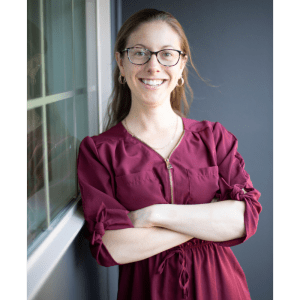
What if we could swap fear for courage as the key driver of the climate movement? Jenny Morgan, former business operations program manager at Microsoft and author of Cancel Culture in Climate, joins Climate Swings for a raw and wide-ranging conversation about the future of climate communication and advocacy. From designing inclusive experiences at Microsoft and championing B Corp values to confronting silence at COP26 and calling for empathy in an acrimonious era, Jenny unpacks how we can replace shame with curiosity, apprehension with dialogue, and paralysis with progress.
Notes and resources
Full transcript
Michael Ethan Gold (00:01)
Jenny Morgan, welcome to Climate Swings. It’s wonderful to have you here.
Jenny Morgan (00:05)
Thank you so much, I’m honored to be here.
Michael Ethan Gold (00:08)
So the way I usually like to start with my guests is to ask you to provide a brief self introduction, a few points about your professional background and a quick sketch of what you’re up to now.
Jenny Morgan (00:19)
Sure. ⁓ So I started my work in impact at Microsoft and I worked there for about five years. I was part of a team and leading a team that was responsible for the way we engage globally with developers in a authentic and impactful way. And so that’s somewhat of a broad definition of what we were able to do, but we really unlocked a lot of opportunities to make connections,
create opportunities for those that are often overlooked, especially in the tech industry. And over the course of action at Microsoft, I began to create a self-obsession with the B Corp movement. So I started a consulting company on the side helping organizations become B Corp certified. And I was doing those at the same time and then…
I began to really learn more about how I could integrate sustainability into my work, even though I wasn’t necessarily in the Microsoft sustainability organization. And so we started offsetting experiences. We started integrating climate focus impact programs and projects in addition to our DEI efforts.
That was really exciting. That’s actually what got me introduced to Tradewater, which is a B Corp project developer that is solely focused on addressing super pollutants and ensuring that they don’t leak into the atmosphere. These are really potent greenhouse gases that warm the planet quite quickly. I was really excited about what they were doing. And so I brought them on as a customer. We worked together in that
capacity and then about two years into that relationship, I decided to make the jump and join full-time. So I’ve been at Tradewater for the last three years and during that time I’ve grown my presence in the b-corp movement I also just recently published a book called Cancel Culture in Climate and right now I’m just trying to help facilitate conversations inside and outside of the climate industry quote-unquote and just helping us move towards big
milestones of progress and just getting closer to our goals. So that’s where my primary focus is right now.
Michael Ethan Gold (02:40)
Yeah. And the book is how I discovered you and your work. And we’ll definitely dig into some of those experiences and what it was like writing that book in particular. But let’s go back even maybe before Microsoft. You have a kind of a varied career in, I guess, projects and events. Can you just like walk us through some of those early stages and what you were interested at the time and what your career focus was like?
Jenny Morgan (03:06)
Sure, I think the common thread of my entire career is community and connection. And so I really liked, I was a psych major in college and then I started getting into more events and administration and things of that sort. And so I started to try to create what I had learned in the first two years of college about just the way that we work and the way we work individually and as a community
and then applying that to experiences. And so I was doing trade shows. I started, you know, working in catering and so lots of hospitality in my background. And then when I moved to Washington state about 10 years ago, I was still doing that work within trade shows, but I really wanted to grow and take experiences even further. And so I started volunteering for this organization called Chick Tech,
which is a nonprofit organization that’s focused on bringing more diversity and inclusion into the tech industry. And I was doing that for a while. I guess another common thread is that I like to have two jobs at one time. Maybe that should, we should get into the pros and cons of that. But I was ⁓ really excited about just being able to bring my expertise to something that could create an impact.
And that’s actually what got me introduced to Microsoft. And then I got that job and then, yada yada, here we are.
Michael Ethan Gold (04:40)
Yeah, so it sounds like ⁓ impact has been a common thread as well, sort of not just business for business sake. I mean, the work you did with Chick Tech obviously has a broader sort of social aim to it. And then later on at Microsoft, there was also more sort of social aims as well. Can you talk a little bit about sort of your view toward impact in some of those early stages of your career?
Jenny Morgan (05:03)
Yeah, I mean, even going back, I wasn’t going to bring this up just because I know we were really trying to focus on more climate. But even at Freeman, when I was doing trade show management, we would sell an event experience to an airline association or the association of math teachers, you know, like all of these different groups of people that hold this common
connection based on their industry and we created memorable moments and I think that’s really what it’s all about. Right now I’m using that in the climate space where I’m trying to take a memorable moment and personalize it so that we can continue to grow this movement that seems so big
but it’s really made up of individuals and individual action. And so I really like that duality and playing with that. At Microsoft, it was, I mean, to be frank, we were heavily invested and had a lot of room to play. And so we would, I mean, we brought a puppy
room where people could pet animals if they felt overwhelmed being in such a large and noisy space. We created different ways for learning that wasn’t just strictly visual or auditory. We created really different experiences to accommodate all learning styles. ⁓ That was the role that I was in when we first offered childcare ever.
That’s the first and only time I believe that Microsoft has ever offered childcare at a Microsoft hosted conference. So we were able to really bring people in no matter who you are, no matter what you represent, no matter what you need, you’re welcome here. And I think that has allowed me to get to where I am today because that’s basically what my book is saying that the climate movement welcomes you.
Michael Ethan Gold (07:18)
Yeah, and I think that talking about even impact spaces outside of climate is also important because a lot of people bring those kinds of mindsets and those kinds of skills and those kinds of ⁓ background experiences into their later climate work, especially if they’ve transitioned into it later in life, kind of as both you and I have. ⁓ And your role at Microsoft, the official title that I see on LinkedIn is Senior Business Operations Program Manager Team Lead, which…
feels like you could be doing a million things. And it sounds like you basically did do a lot of things and you had a lot of leeway and a lot of flexibility to craft the job into kind of what you wanted it to be.
Jenny Morgan (07:55)
Yeah, I mean, now I’m kind of going back down a nostalgic road, but I mean, we even had an experience where we brought previously incarcerated women to come and show what they learned and how they learned how to code and taught the audience something. And then we ended up hiring a few people on the spot at the event. And I guess that just proved that
no one’s story is written, and that’s what impact is all about. It’s the opportunity to create a moment no matter what we might have as a preconceived obstacle, that moments and impact and connection are always possible. And so I think that that’s really allowed for me to…
just open up and see different people and perspectives, or at least continue to be intentional in that goal. But yeah, I think impact can be seen in a lot of different ways. And that mouthful of a title, I mean, that also proves that no matter what your title is, you can integrate that into your job no matter what.
Michael Ethan Gold (09:15)
Yeah, and ⁓ as you were working through your sort of different motley roles at Microsoft, you mentioned the climate aspect kind of came into your professional lexicon, into your skill set. But thinking back to some of your previous roles, was there any kind of thinking about environmental sustainability? Was there thinking about climate through those roles that you had previously at all?
Jenny Morgan (09:42)
I mean at Freeman when we were doing trade shows, it was all about reuse. That was definitely a huge focus. I think it was not necessarily a sustainability initiative. It was more a cost saving initiative with sustainability built in, which again is a great way to talk about climate impact for those that might not be coming there first based on climate. They’re coming there for all the other plethora of
co-benefits that come with this type of work. ⁓ So that was definitely part of it. So reuse, you know, making sure that the labor and materials were being used effectively. So that was definitely something. ⁓ And then I would say with Chick Tech, was more just focused on
community and connection and what that means. And so really understanding how something might work for one group of people and that might not work for another and being flexible in that, that really helped me with my role at Microsoft too because we were globally distributed. So there would be times that we would have
200 engagements in one year all around the world. I think we ended up touching 36 countries in one year. And so right before COVID. And so that, I think that is really good to constantly remember. So I think from a sustainability standpoint, it’s really understanding the global,
the macro impact and then also the micro impact of what it actually means to have your feet on the ground there. ⁓ But yeah, it was very nuanced. And then, you know, when I started working with the sustainability org at Microsoft before I even brought Tradewater in, I was helping with our presence at COP. And so that definitely gave me some insight into…
the pressure that corporates feel and the fear of public scrutiny. The cop that I was involved with was definitely a heavily scrutinized one since that was post pandemic. And so there was a lot of emotions and frustrations built around that experience on so many levels. And so it was really interesting to see how careful and calculated and fear-based
decisions can be on how much things are discussed publicly due to fear, even if it’s something really great to celebrate.
Michael Ethan Gold (12:26)
Yeah, I mean, you discuss that incident around the cop in your book as kind of a catalytic moment. And we’ll definitely get a little more into that. I guess one thing I’m also hearing from you is kind of like being responsive to community kind of needs and what you’re hearing from the community. And presumably, even in your work, maybe at Chick Tech and some of the other places you were working at, there was thinking around, how can we do this in a more sustainable way? And how can we sort of think about sustainability in this context,
in addition to these kind of other impact spaces that we’re sort of working on.
Jenny Morgan (13:00)
Mm-hmm. Yeah, I mean, we would think about travel and, you know, our footprint. But I think at that time it was more… which, I mean, maybe it was more of a benefit at that time, but it was just more of a natural conversation rather than, well, this will be calculated in our next sustainability report, and so therefore we need to meet our scope one, two, and three. You know, I feel like reporting and…
the pressure of reporting and calculations has become a big part of the conversation. And so in my earlier stage of my career, sustainability was more naturally integrated into the way that we just talked of, ⁓ we just don’t want to be using that much. Why would we ride in separate cars when we can ride together? Something that’s so basic, but now we see it as a sustainable action.
Michael Ethan Gold (13:55)
Yeah.
Yeah. I mean, when you come through certain like, you know, education systems and certain career paths, it just kind of is part of the day to day fabric of what you do. You just think, okay, can I just reduce my footprint on this a little bit here or there or anywhere? ⁓ yeah, exactly. So then when you were at Microsoft, you, you sort of started to bite more fully into the sustainability apple through some of those initiatives and programs you’re talking about and that cop work that you did. Can you discuss that?
that cop moment in particular and some of the work you were doing around there and specifically how it really ended up catalyzing your whole next chapter of your career essentially.
Jenny Morgan (14:36)
Yeah. Um, so it was cop 26 and so that was in Glasgow and, um, you know, it was 2021. And so there was a lot of fear about a big group of people coming together. There was also a lot of eyes on inclusion, uh, equity. I mean, George Floyd was a huge moment for people that may not have been talking about
equity and safety and ⁓ who is safe and who isn’t. And I think the conversation came to the forefront. And then also with sustainability as well, there was all this discussion about, you know, because people aren’t flying, ⁓ positive actions are happening and positive consequences are coming out of it. And so there was a lot of conversations going on at that time. So then to put a climate
leadership conference together in 2021 when people are actually still in their homes and still experiencing the constraints of the pandemic to then bring global leaders and corporate leaders and decision makers into one space to discuss the climate crisis. There were a lot of eyes on this experience and I genuinely think that
the intentions of Microsoft and many others is quite positive. Now there are negative consequences for just being such an enormous company and their expansion in AI and everything. you can point fingers all day. It’s such a massive organization. There’s gonna be negative consequences, but I do feel based on my experience inside Microsoft and outside,
I do see that the intention is always positive. Maybe that’s not enough at all times, but I do think it’s something to be valued. And for cop, the team was really trying to figure out how to ensure that their footprint was as low as possible while also making a big splash and being one of the biggest voices in the room. And so every single decision,
was made to make sure it was the lowest footprint possible, but still get everyone there all around the world, still have an event space and a booth and ⁓ all of these things. And so I was really excited about Microsoft making such strides and being very… ⁓
obsessed with making sure that every single decision was the most sustainable one. Maybe they would still make the decision, but it was the best decision from a climate footprint standpoint. And after the event concluded, there was still a lot of noise, but we had written a ⁓ publication about the choices that we had made for the event. And I think everyone that was responsible for it was quite proud. And then to have
leadership decide to not talk about it because silence would be safer. That was the first time I had actually seen that, wow, fear is more important than action. And that to me was terrifying because if our decisions are based solely in fear, then we’ll ultimately get what we’re so afraid of. We’ll create our own narrative.
And that was when I really started to dive deeper into what am I going to do about this? Being just one individual, how can I contribute?
Michael Ethan Gold (18:33)
And what were the first things that you did kind of in response to that kind of shock to you that that seeing that, ⁓ we’re actually responding from a place of fear rather than an empowered emboldened place.
Jenny Morgan (18:49)
⁓ I would say another common thread of my career is that I’m definitely one to sneak in through the back window, whether it’s for a new job or to get something done. So I kind of made the choice to take things into my own hands. ⁓ Navigating the procurement process at Microsoft can be quite stressful and long. And I was able to do that and then
integrate climate benefits into the work that my team was doing. And that was somewhat unheard of. Most of the DEI engagements and sustainability engagements were becoming very siloed. And so during my five year career, even DEI was, you know, there was a heavy lens on what
the 150,000 people were doing on their own when it came to DEI. ⁓ I understand boundaries and red tape, but then you need to be conscious of how it’s being perceived and how to measure it. And so I think that that is a challenge again with such a large organization, but ultimately what I took out of it is it’s time for us to do things on our own and really push boundaries until we get in trouble.
Michael Ethan Gold (20:13)
What did you mean by integrate climate benefits? What did that look like?
Jenny Morgan (20:16)
⁓
So instead of only focusing solely on impact projects that were more equity based, we integrated on the ground climate projects. We did planting trees, we did hackathons that were climate focused. We offset all of our in-person and virtual experiences. So just things like that.
You know, making sure that sustainability was not only at the forefront of the decisions that we were making, but we were really loud and talking about it.
Michael Ethan Gold (20:51)
And you also discussed in your book, a time during COVID sitting at home and having time to reflect and also experiencing wildfires, which of course for people on the West coast up and down as, you know, we’re no stranger to those. Can you talk about some of those, those experiences and how those fed into sort of your thinking about what you wanted to do with your climate career?
Jenny Morgan (21:12)
Yeah, I mean, all of this is kind of happening at one time for me. So we’ve got the pandemic. We had just I had just given birth to our second child. ⁓ All of this is happening with our growth and expansion and how we want to show up to work every day. I was really becoming proficient in the B Corp movement and getting companies across the finish line for their certification. So all these things were happening
in my career, but then also in my life. And there were protests going on and you had to figure out how you would go to the protest while also being safe. And then the wildfires came that summer and it was still very much so in the pandemic. So we got, we have a, you know, a newborn, a three-year-old, two big dogs,
two adults trying to do all of these things. And then the only thing that we could do beforehand is, you know, do picnics in the front yard and go on family walks together. And then to be forced inside when we’re already constrained in our choices and our ability to connect with one another and then to even smell the smoke coming into our home. Again, it’s kind of like,
a more extreme eureka moment where I’m not going to participate in this. I’m going to push against this because it’s not right. And so I think that just continued to embolden my decision to just keep going. And, you know, I’ve always been somewhat of a envelope pusher, but now this was something that I felt like was more of a
life’s calling where not only am I gonna push the envelope by you know getting a promotion when no one thought you did or get this job when you know when it was hard and everyone’s gunning for it doing all of these things that I feel like pushed me beyond comfort my comfort zone, but then now became something that I’m desperate for like there is no other choice, it’s climate security and
adding value to the movement or what else is there?
Michael Ethan Gold (23:37)
Yeah, one thing I’m really interested in with this podcast are kind of those quote unquote sliding doors moments, you know, those like moments in one’s life and one’s career where like, well, you could have taken this path or you could have taken that path. And it really, this, I’m getting a very sliding doors vibe at this time in your life, especially you’ve got all these different factors kind of flowing together to influence you and you know, in a really dramatic way as you’re, as you’re kind of putting it, then you have this cop experience with Microsoft and then it seems like you were able to
push your career into a more climate focused direction at Microsoft and there’s like a kind of sliding doors you where you could have stayed at Microsoft and basically worked on, you know, in sustainability sort of ad infinitum, right? Sort of indefinitely, but you didn’t obviously, you left and you started your own thing and you wrote a book. I mean, can you talk about that inflection in the last couple of years and what’s driven that?
Jenny Morgan (24:28)
Yeah, think it’s the question of am I needed here? And at Microsoft, I do think I did a lot of cool things. The childcare experience is definitely one that, I mean, I think that that’s one of the top five proudest moments in my career is getting that through the, that took a year and a half and a lot of very boring legal,
legal and risk conversations that I felt like were somewhat ridiculous and being a parent, I was like, I mean, they’re going to be fine. We made Xbox like what’s happening. ⁓ so I, ⁓ I’m very proud of that moment. And I do think I brought a lot of value to that role and I made great connections. And I think there were memorable experiences that came out of that. But at that point towards the end of my time at Microsoft,
when you’re talking about these, you know, fork in the road decisions. Am I needed here? The answer was really no. I’m needed now in for this project developer that I really value the projects that they’re doing. I believe in it wholeheartedly. I think that it’s a thousand percent necessary. And I know I can bring a plethora of skills to this organization to grow it
and to help them move the needle. And I know that another person will take my spot at Microsoft and they’ll keep the money will go to the various projects that Microsoft decides. And that I think that that was, I think that’s where now I am, where I’m trying to kind of ask myself, am I needed here? If the answer is yes, now.
I guess the sliding door moment that maybe I haven’t hit yet or that I’m kind of starting to come to is not only am I needed here, but then also do I have influence here? And so that’s kind of my new ⁓ opportunity for me to kind of explore that further.
Michael Ethan Gold (26:44)
Yeah, so Tradewater is your full-time job, essentially, pays the bills. Can you just give a little quick overview of your day-to-day?
Jenny Morgan (26:52)
Yeah, so ⁓ Tradewater, like I mentioned, they are all about super pollutant mitigation. So what that means is we take ozone depleting substances, things that you may have heard about in the 80s and 90s that were depleting the ozone. There’s still billions of those all around the world. And so the choice is really to have them leak or to have them destroyed. And so we’re on somewhat of a scavenger hunt to try to find these gases and make sure they’re permanently destroyed.
And then we also plug orphaned oil and gas wells that are leaking methane. So again, kind of a scavenger hunt vibe where there’s these wells that have been left and no one’s responsible for them and they just leak. And so it’s, we’re kind of like the, the cleanup crew for mistakes of the past that have been left and no one’s like really the one that has to clean up the mess. So we’ve decided we are. ⁓
And every day I’m trying to make connections with decision makers, primarily at organizations that can help fund this work. So I’m constantly trying to figure out how to either get in front of those individuals or articulate the urgency and the benefit from investing in this type of work.
Michael Ethan Gold (28:11)
So that’s your full-time, now that you’re in a full-time climate job, essentially,
you also, during this inflection and transition point, wrote a book, and it’s called Cancel Culture in Climate, and it came out at the beginning of this year. Can you just talk about what that book writing process is like? And you talked about how the drive to work in the space became sort of ⁓ undeniable for you, but why go all the way to actually writing a book? What was the motivation there?
Jenny Morgan (28:18)
Mm.
Yes.
Yeah, so I’ve been talking about cancel culture in the climate movement for a few years. I have presented at B Corp events, at oil and gas conferences, ⁓ and just really talking about my main reason to talk about it is because I saw such…
inside the house fighting happening all the time, you know, you’d see on LinkedIn and someone would be like nature solutions are the best and someone say no tech removals are the best and you know, all of it happening publicly and to me I was just like wow ⁓ first of all, we’re all on the same side. And second of all, you’re making the team look kind of not coordinated ⁓ and I thought it was just such a disservice to
the movement and I really wanted to talk about that because I think that that’s also fear based. Why two individuals that are both very much so believers of removals, removal projects, why would they fight with one another? Well, fear of lack of funding. And so if I use shame as a mechanism to silence my quote unquote competitor, then maybe I’ll win. And I think that that is a total
misconception. I think that we’re told to believe those things I also think there’s human nature in that so I started to become very vocal about it and every time I presented on it people would stay in the room, talk about it, we we’d all go into the hallway there would be 40 people just standing in the hallway talking about it and I really started to see that this isn’t a new concept. Everyone
that I speak to about it gets what I’m talking about, about how shame and fear should not be mechanisms for change because they divide. They don’t create a collaborative movement. And so I started just talking about it more. I started seeing it everywhere. I started to annoy my loved ones how much I would talk about it. And so it really felt like, again, this kind of call to action where it was somewhat
bubbling to the surface for me. So the book writing process for me was very easy. ⁓ It was actually just allowing, finding time was my biggest hurdle. And I thankfully have a support system that supported me in that. And I was able to just, you know, find eight hours on a weekend and just write. And so after the book was finished, the first draft that
was what actually became really hard is making, deciding what stayed in and what didn’t so that the ultimate goal would be climate progress and collaboration. And that’s what I want from the reader. And so I had to be really cutthroat in what was kept and what wasn’t. But I would say the original draft was very emotional and somewhat therapeutic. ⁓ And now I think it’s much more like we gotta do better. Here’s what you do.
Michael Ethan Gold (31:50)
Maybe you can do the like unexpurgated first draft at like as the 10 year anniversary or something, you know? Yeah. When you said you were presenting on this idea of shame and kind of cancel culture and guilt in the climate world, like how did you kind of like start that side hustle? Like where were you presenting to and what was kind of your pitch to people?
Jenny Morgan (31:55)
Yeah, yeah.
I mean, I was working at Tradewater when I first started actually presenting on it and it was in the beginning of my time at Tradewater. And so I would just talk to conference planners about, you hey, this is a topic that I think is having a negative effect on the movement. And I think that your audience would really resonate with it. And once people hear about polarization and
⁓ climate conflict and inability to communicate and divides. I think we all really see that more so than ever. And so I just wanted to bring that to the forefront of all conversations where climate and impact people were coming together and conference planners were very receptive to the idea. I think just what really turned it was that it led to
constructive debates and conversations and I would just watch the audience get really involved in it. I remember at a B Corp conference, I presented on it and then it turned it, they actually had to kick us all out of the room because we were starting to go into the next person’s time slot and it became this live
debate about if Nespresso should be allowed to be a B Corp because they passed their certification but then they represent so much negativity to some of the members in the in the room and so it became this is that cancel culture? What great what benefits the movement more? Allowing them to come or actually shaming them into being rejected from the from the movement and so yeah, there’s a
really inspiring to see people actually resonate with the conversation.
Michael Ethan Gold (34:05)
Have you never done a TED Talk?
Jenny Morgan (34:09)
Well, so I was on the TEDx London podcast, but no, I haven’t done one. That’s all, that’s a dream of mine. So I would love to do that.
Michael Ethan Gold (34:18)
I see a TED Talk in your future. I don’t have any contacts with TED, unfortunately, but I’m sure, you know, they’ll come knocking eventually. ⁓ So you wrote the book, you said you kind of were just like banging it out like eight hours on a weekend, just kind of getting all your thoughts down. The first draft was sort of emotional, and then you went through the editing process. How did you foresee that it would be received? Like, who did you want to talk to specifically with this book ⁓ when you were writing it?
Jenny Morgan (34:49)
There’s kind of three people in my mind that I want to read it. So I wanted a climate activist that I see every day, especially in the Pacific Northwest, that’s very passionate and angry and frustrated and has a bit more of an idealistic outcome of what the climate movement should look like. And I wanted to talk to them about their
anger and see it and recognize it and respect it, but then also open up the opportunity that maybe the anger isn’t serving you because the ultimate goal is to create change. And if you come to the conversation with such anger and sometimes even violence or, um, you know, just this, this almost destructive passion, it will,
ultimately take away what your goal is. And so I really wanted to come with empathy, but then also help that individual learn how to communicate their wants and needs in a more effective way. And then my second persona would be a sustainability leader, like at a Microsoft that wants to do something, but is operating in it from a place of fear
and how they can actually reduce risk and then also celebrate the risk of missing this great opportunity. And so I really wanted to help give them a framework that they could say, okay, I’m afraid of this. These are the things I could do to lower my risk and make it feel more safe to be more proud of what we’re doing currently silently. And then the third framework was for that person that
is canceled or has been canceled or has been experiencing some negative implication on their actions. So like an oil and gas executive that is often villainized and feels as if everyone in the world hates them. How could they actually rebuild and re-emerge and become a voice that’s included in the climate movement? And so those were kind of the three people that I wanted to talk to and
If I saw them reading the book, I’d be like, yes, I did it.
Michael Ethan Gold (37:15)
And since the book came out, you seen those three, have you gotten feedback from those three groups? Like, how has the reception been?
Jenny Morgan (37:22)
Yeah, I think it’s really good. I mean, I think, ⁓ I think what I’m proposing is uncomfortable because I think these personas are very comfortable while they might acknowledge the, the ineffectiveness of some of the things they do. I think they’re quite comfortable being that person and the oil and gas executive has been put into the Disney villain bucket and
they’ve kind of accepted it. They might not agree with it, but they’ve somewhat accepted that role that society has placed on them. And I want to not let them stop there. You don’t have to be seen as the villain. I think every single person wants to be a hero. And I think that there are opportunities to be a hero, even though it might not feel like that. And so same with the opposite spectrum of this, you know, very angry climate activist.
I know that they feel comfortable in that expression because it comes naturally right now, but with a bit more intention and practice, I wanted to show that it might feel uncomfortable, but it might actually, you might reap larger rewards by slowing down and kind of thinking before you act.
Michael Ethan Gold (38:43)
Yeah, mean, it sounds like a very psychological sort of exploration that you’ve been doing, like, about these personas and their motivations and how to affect change and whatnot.
Jenny Morgan (38:53)
Yeah, yeah, I mean, I’ve been able to see all of these people in my daily interactions and with my work and I’ve tried to really humanize each person that I speak with and that’s given me the ability to see them as a human no matter where they lie in the spectrum of people.
Michael Ethan Gold (39:13)
Yeah, and that actually feeds into a quote that really stuck with me from the book and actually is the title of one of your um your events that you’re doing at PNW Climate Week, we must bring a sense of humanity back to the climate conversation. Effective communication is key to human progress, yet it’s often underutilized in climate discussions. While intuitive, it needs to be intentional, highlighting positive actions, shared goals, and the collective steps required for change. Effective communication can fuel powerful movements, focus on the good, the goal,
and what we need to do. So I guess the question here is how can we maintain all this given sort of the pressures that everyone is under this information environment that optimizes for the kind of quick snappy bites and the sort of hyperbolic outrage sort of as you were discussing.
Jenny Morgan (40:01)
I think no matter who you are, how much influence you might have right at this moment, I think there’s two things that you need to think about is what’s driving my decision and am I coming to conversations and experiences with curiosity. If you can continuously bring that to your daily life,
you will see so much progress happen because if you’re able to really come to the goal, what is the goal here? Am I a sustainability leader that just wants to push paper and, and, you know, make a met, meet a metric quietly? I don’t think that’s the goal. I think the goal is actually to influence change and innovate and lead. And if that’s the real goal, then
what are we doing to actually achieve said goal? And then also that curiosity question of, I being curious? Am I being curious about myself? Am I being curious about others that I’m interacting with? If I want to stay with the sustainability leader, hypothetical, am I, are those in my value chain that are expressing challenges in decarbonizing their footprint,
am I coming to those conversations with curiosity so that it can be a true partnership and collaboration? Because think about all the co-benefits that come with that type of thinking. You’ll actually come closer to your goals and you’ll actually gain more understanding so that you can solve a problem. And they’re so basic, but I think just with our life being so busy and there’s so much pressure.
I think if we can just come back to those very natural questions, we can see that there’s a lot of influence we can have.
Michael Ethan Gold (42:00)
Given that you encourage self-reflections or self-reflexivity on others, maybe just sort of shining that back on you a little bit. What are some things that you kind of like looking back on the book maybe thinking, well, maybe this could have been addressed differently, I would have liked to include this or said this or even maybe some criticism that you’ve received that you think, well, that’s actually kind of valid and maybe in addition to we can look at that or something like that.
Jenny Morgan (42:26)
Yeah, I mean, it’s definitely pro carbon market. I’ve gotten that feedback before, ⁓ but I am pro carbon market. ⁓ I, you know, we all have our different flavors. ⁓ I mean, to just think back on the process, it was incredibly therapeutic for me to come into 2025.
I knew things were coming and I was able to spend a lot of 2024 writing and thinking about it and really pushing myself to explore empathy. I think, I think, I guess if I had to think about the book, what if I would have kept more of the first draft in there, which I do think it can still exist. I’d love to
explore more about bringing humanity to all aspects of everything that we do, because I think that’s just such a missed opportunity on management and business and climate. And so I think it all comes down to humanity. But so I think I could have explored that. I think I was fearful that I would distract the reader. So maybe I could, if I went back in time, it would be interesting to do an experiment on if I was
if it would have actually distracted the reader. If I would have been perceived as like this very like woo woo, you know, go to therapy, hug your neighbor. And I wanted to make sure that that wasn’t confused with what I was actually trying to do. So maybe in another life, ⁓ I could have seen if the reader would have actually gained more benefit from that.
Michael Ethan Gold (44:18)
Again, maybe the unexpurgated first draft will will shine some shine some light on that. And kind of just, you know, from my personal like, sort of editorializing about like, your message around especially like bridging divides and bridging gaps and and and leaning in with with curiosity and empathy rather than judgment, especially in this current political moment where
you know, divide is basically what defines us almost more than ever. I personally I do feel like these your your kinds of messages need to be need to be promoted and need to be talked about more than ever personally. Yeah, it’s my it’s my little my little plug for you. ⁓ So this is ultimately a podcast about people who work in climate and what a climate career means and looks like. And so
Jenny Morgan (44:52)
Thank you. Yeah.
Michael Ethan Gold (45:03)
I like to ask pretty much all of my guests ⁓ certain questions about their views about this kind of big picture topic. The first one to go through sort of as we enter the last little bit of our conversation is what’s some advice that you would give people who are essentially interested in doing what you’re doing? I mean, I know your career has had a lot of interesting twists and turns and you’ve written a whole book and, ⁓ but if you just could talk to the audience about ⁓ what are some practical steps or things that
you would tell them to do.
Jenny Morgan (45:35)
Yeah, so I alluded to this sneaking through the back door or window type of ⁓ career style. Every single job and every single opportunity that I’ve received has been because I just went and started doing it. And yes, that has been a challenge from a time and resources standpoint, because I usually would have two things going at one time.
I would have my job, I would be integrating things I wanted to do in my job, but then that would only take me so far. And so I would create a second path that I would be able to juggle at the same time. But I don’t think it has to be so extreme. I think that if there is something that you want to do, start doing it. And that might be bringing it into your role and just having a sustainability goal. Maybe it’s self…
self-applied that you’re going to be trying to source the most sustainable materials or you’re only going to partner with those that have a net zero commitment or are a B Corp or just some sort of guideline that you might self-impose or bring to your organization and then start growing that. You can also do that within your community. How could you be
an influencer in a community, you could do something really fun, like create a roots and shoots chapter where kids and adults come together and they do a climate project and you organize the whole thing. I mean, there’s a group called Tuesdays for Trash and that just started with people picking up trash on Tuesday and now it’s a whole global movement. And so,
I think it’s really just whatever you’re able to do, what you want to do and just start doing it because you can.
Michael Ethan Gold (47:32)
Yeah, a lot of times you hear from people who want to work in climate or trying to transition into the field that they don’t necessarily have the skills. They’re not, ⁓ they don’t have the background. How can they get a job? And you, you know, as you sort of said, you just started doing it, but did you ever feel like, ⁓ like this, I don’t know if I can do this. I don’t have the expertise. I don’t have the, the kind of requisite background. Did you ever have those moments of doubt and how did you kind of break through those?
Jenny Morgan (48:02)
Yeah, I mean at Microsoft, yeah, I didn’t end up working for the sustainability organization. And while I felt like you were very kind and complimentary, I’m not sure if I, I mean, I’m sure I would have weaseled my way in somehow, but I think.
That would have been a really tough challenge because the individual that works in the sustainability organization is an environmental scientist. They are proficient in carbon accounting. They have all of these accolades and skill sets that have been developed over decades. And so I think that that was where I was
feeling somewhat challenged in how can, I knew I could do it if I was just given the chance, but how could I get the attention from someone that is interacting with PhDs and people that are already fitting the exact description of the job? Yeah, think self-doubt is a struggle.
Right now for me, it’s more philosophical where I’m just constantly trying to ask myself how much I can change and really making sure that I stay the course and stay focused and stay invigorated and have that stamina that I know I have. And so, but I think, I mean, there’s so many
resources out there. There’s all the LinkedIn courses, there’s Coursera, there’s the UN has free courses. And so if there is a skill set that you’re quote unquote lacking, either test if that’s actually true and then go find a free resource or a book even that can just share more so that you can at least speak to it to then get into the conversation. Start writing about it on LinkedIn. If you read a chapter in a book about carbon accounting,
Tell everyone what you learned that day and now you’re part of the conversation.
Michael Ethan Gold (50:12)
And no climate career happens in a vacuum. ⁓ Even writing a book obviously is a, you you’re the main author, but it’s influenced by, you know, many other people. Can you talk about some of your experiences, I guess, with mentorship and, you know, people that you’ve looked to and that maybe have helped you along your way and then also kind of how you’re paying it forward now?
Jenny Morgan (50:35)
Yeah, I think a lot of people have been very supportive in just cheering me on. I think that that’s been something that I think a lot of people don’t get of, you know, having being told I believe in you and I think you can do it. And so I’ve been blessed to work with
people side by side and just naturally in various industries that have been very supportive and celebratory. ⁓ I think from a pay it forward standpoint, I’m always interested in sharing insights on how I got to where I am and what I hope to do next. I think… ⁓
you know, there’s a lot of students right now that are graduating that are very concerned about, you know, what the sustainability role looks like. So I’m, I, I, I’ve always, I’ve gotten the pleasure of meeting people that were willing to talk to me and share their insights and their feedback.
And so that’s kind of what I think I wanna make sure I’m always gonna give back to those that need the same as I do.
Michael Ethan Gold (52:04)
Any more books in your pipeline by any chance?
Jenny Morgan (52:09)
Well, I really do think the humanity conversation is one that I think would benefit. ⁓ But not right now. Right now I’m just really trying to apply the concepts to whomever the audience is and try to help facilitate that conversation. I mean, right now it’s so politically driven. And I think that
the conversation can benefit us, especially over the next three years.
Michael Ethan Gold (52:42)
Just a couple more questions just to wrap things up. Looking back over your career and if we could cast your mind maybe to those very early roles that you had kind of managing events and culinary space or maybe working at Chick Tech or some of those experiences, what are some pieces of advice that you would sort of tell that younger Jenny about the road ahead, avoiding pitfalls, how to swerve?
Jenny Morgan (53:12)
Yeah, I don’t think I needed to tell her to not take no for an answer because I think I established that mindset when I was a teenager. So I think I’m solid on that. I think prioritization is a skill set that comes over time. It’s easy to be distracted and just want to do it all.
And I think being able to be really strict in your priorities is something that I think anyone earlier in their career could benefit from. And project management, I mean, I think there’s so many soft skills that go into just good work in general that I think anyone could benefit from. Being a great project manager will set you up for success in any role, especially in climate. And so, ⁓
I think just like acknowledging the periphery skills that can support my work. ⁓ And then I think also just like some nuanced things. I guess I’ve never taken no for an answer from like a rebellious type of way, not showing my self-respect, like getting the salary that…
is deserved and is represented across the industry, you know, and kind of not submitting. I think that that would be something that I think I would try to embolden in a younger. I remember some past conversations where I just kind of left the office with my head hung and that was it. And I think now I would probably have a bit more
sense to say, actually, that’s not right. ⁓ I know that this is the salary and so I’m going to expect it if you would like for me to continue this job. So I think like that type of empowerment would be nice to see in a younger self.
Michael Ethan Gold (55:19)
And casting your mind in the other direction to the end of your career potentially, and of course, know, we’re, a long, long, long way away. ⁓ What would you want people to have thought about the contribution that you made to climate, to the spaces you care about? And ⁓ what essentially would you want your epitaph to be?
Jenny Morgan (55:40)
She never stopped. I really want that to be something that I can, and that’s constantly changing. ⁓ But I really want to make sure that I never stop following my path and living by my values. And however that shows up every day,
right now I’m very focused on the work that I can do and the influence that I can have. And that’s actually helping me create a larger influence. And maybe a few years from now that might grow and it might get small. And so I think just overall though, I want it to be that she never stopped. She was just relentless.
Michael Ethan Gold (56:34)
Well I think that’s a wonderful place to wrap this up. Jenny Morgan, thank you so much for appearing on Climate Swings. This was a wonderful conversation.
Jenny Morgan (56:43)
Thank you, I loved it so much, thank you.