

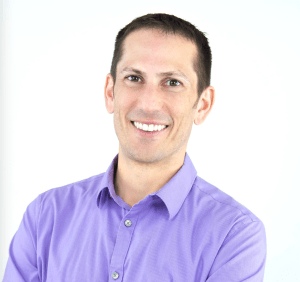
About this episode
Nick Halla has had a wild arc—from his upbringing on a small dairy farm in Minnesota to becoming employee #1 at Impossible Foods, where he helped turn “meat from plants” into a mainstream, climate-first movement and scaled the company from little more than an idea to a global brand reshaping how we eat. In this episode, Nick discusses ditching his safe career path in big food and energy, betting it all on a radical new way to make meat, navigating the hype and turbulence of the alternative protein boom, and why he now sees “climate” not as an industry but as a design constraint for every business he helps build through GigaClimate, his current venture. It’s a story about serendipity, stubborn optimism, and what it really takes to bend entire systems toward a livable future.
Notes and resources
Full transcript
Michael Ethan Gold (00:01)
Nick Halla, welcome to Climate Swings, it’s great to have you here.
Nick Halla (00:05)
Thank you, Michael. Excited to be on.
Michael Ethan Gold (00:07)
So could you just start with a relatively high level introduction, a few key points about your background and what you’re up to now professionally?
Nick Halla (00:17)
For sure. My background, I’ve been in climate inspired works most of my life. I think that stemmed from growing up on a dairy farm in Minnesota. So we had a small family dairy farm where we milked like 80 cows when I was growing up and we expanded to about 180. I think that experience drove a couple things like deep in me. One is the drive for starting businesses. A family dairy farm is a very different form of entrepreneurship than Silicon Valley. A very hard form of entrepreneurship, but I think all my brothers and sisters, we have our own
businesses largely due to that experience. And then two, being on the land all day, every day, drove a big, a really big respect for the environment and sustainability. So in high school, I started getting into renewable energy, led to studying engineering. So I studied chemical engineering where I did like batteries and biofuels work. ⁓ didn’t want to work kind of in big oil and gas, which is a very common path for that degree. So I ended up at General Mills, ⁓ where I spent two years commercializing new products and two years commercializing new manufacturing systems.
Wanted to get deeper into sustainability, so moved to California, did a couple degrees at Stanford to start companies in renewable energy. Did some work in solar and then met Pat Brown, the founder of Impossible Foods, right when he had the idea for it, through his first investor. And then we hit it off. I joined him as his first employee to be his business partner. And for the next 11 years, we scaled up Impossible and Kite Hill and really changed the way people think about plant-based food and how that links to the environment and how much of a huge global impact it could be
to transition our food system to a plant-based ecosystem. So great ride from the two of us to like 800 people, I think, between the organizations when I left. And then I left a few years ago to work on some new ideas. So I stepped back and I looked at climate from a fresh lens and said, there’s really three main areas of climate ⁓ type of work. One is all the decarbonization and industry transformation and what we’re been trying to do, so like Impossible for food, Tesla for cars, you know, transformations like that to make industries more sustainable.
But there’s two other industries, categorical industries in climate we need to do a lot more on. One is climate is changing. We need to build more adaptive, resilient systems to manage it. We are so far behind on decreasing emissions that we really need to start managing the changes that are happening to reduce the impact on people, societies, and the environment. And the third one being we’ve done all this negative engineering to the world with CO2 emissions, methane emissions, pollution. We need to find scalable economical systems to change that. So now what I’m doing is I’m building GigaClimate,
which is a climate company builder, really focused largely on those latter, last two categories where we really look at climate as an attribute to economical businesses. So we try to find early stage technologies and teams that we think we can scale really quickly. And then we embed our people in to build real fast growing companies.
Michael Ethan Gold (03:04)
Great, high level introduction. Thank you for hitting on all those points. ⁓ You’re actually the second guest in a row that I’ve spoken with who grew up on a farm. ⁓ So there must be something about ⁓ being close to the land and I guess working with your hands and seeing how natural cycles change ⁓ in the food production ⁓ world that makes you really interested in this kind of work. Can you talk a little bit more about what that experience was like in particular, working and growing
Nick Halla (03:12)
really?
Michael Ethan Gold (03:34)
up on a dairy farm in Minnesota.
Nick Halla (03:36)
Well, it’s funny because it’s like I reference it all the time. Growing up, you never really think about it that way. Anything from like, we’ll start with the entrepreneurship side of it besides, and then we’ll kind of hit the climate or, you know, sustainability portion. But from an entrepreneurship side, it’s like, is your small business like your family, your life, your work, everything is kind of embedded in one when you’re on a family dairy farm. And then you have to kind of do everything without whatever resources you have. So super resource constrained. And so if you have a problem, you go to the shed, find something
hopefully that doesn’t cost any money and you’d try to fix it for free. And you get super creative in how you operate just due to the constraints of running a small enterprise like that. And so I think that has a lot of applicability to early stage companies. When you are typically very resource, resource constrained, you have to be really focused on what you do and what you don’t do every single day. And it’s a 365 day a year job. And so I think that was always just really embedded, like kind of from that experience, looking back to now what I’ve done over the last, you know, 20 years.
And then sustainability, it’s like our job as farmers is to produce really good food for people affordably while maintaining our land and our resources for future generations to hand it down, especially as a family farm. The challenge with that is that it gets harder and harder economically every year. Like as the farms get bigger and more consolidated, really competing in the market as a small farmer with the fluctuations in prices and inputs is a really, really tricky business proposition. So I think the fundamental economics of what it takes on a farm,
and the kind of the tie to the sustainability of the land and what you really intend to do. Those two ties were really embedded right away too.
Michael Ethan Gold (05:08)
Does your family still have the farm?
Nick Halla (05:11)
We do not. Unfortunately, the economics of the farm is very difficult. There’s a much longer story you could probably get into over a beer or something sometime.
Michael Ethan Gold (05:19)
Yeah, yeah, yeah. Well, maybe we’ll touch upon it again a little bit later in this conversation. So it inspired you to study chemical engineering. Were your thoughts at the time that you wanted to stay in the food system in some capacity? I mean you said you didn’t want to work for big oil and gas. But what was the vision for your career at the time that you were sort of entering college and starting to craft your professional life?
Nick Halla (05:27)
Mm-hmm.
Yeah. So when I first started, I was actually a little bit different. So I, I’d say maybe my sophomore year in high school got really big in snowboarding and like all the time doing that. So I actually started in the material science department because like I want to design snowboards, build composites and get better like systems like that. How fun of a job would that be? So I got to Minnesota university in Minnesota, where I studied, I started in the material science, which I still did a lot of stuff in, but then I really, really loved the chemistry side of everything,
just how chemistry worked. And so I ended up working in chemistry in a lab over the first summer I was there. And then I just really enjoyed it. And so that kind of transitioned me into chemical engineering, which is also a very general engineering where I can do so many different things with it, which I found really appealing because I didn’t necessarily know exactly where I wanted to go. And then as I was there, I got into some research with a lab doing exhaust system research, trying to help diesel exhaust burn more cleanly and efficiently. And so another part of the sustainability journey,
for sure of how you can get higher efficiency and lower pollution out of the systems that we use today. And so that was like the research I did. Then in my design classes, was like a biofuels production facility and the kind of process design. And then in Minnesota is unique where in the chemical engineering department, they have a product design class too. Cause there are so many product oriented types of businesses in the Minneapolis, Twin Cities area. And so that’s where I did like this battery technology concept that we were working on.
So coming out, I was like, I looked around what I want to do. I had no intention of going in food at all. And so another kind of part of the story is like, when I left the farm, I was like, I am done with farming and agriculture. That’s over. Then essentially when, cause I want to get into renewable energy. It’s like, that’s where the innovation, the fun of like transitioning to a much more sustainable energy production system would be. And I think in probably the late nineties, it was much more about we’re going to run out of coal and oil and all these resources anyway. So we need to find systems that we can scale
for as a human population continues to scale. So I wasn’t really looking for food, it just kind of happened to be a really cool job of being like a frontline researcher that ended up being the right job. And then when I left General Mills after four years and I came up to Stanford, I literally went to Stanford with the intention to never do food in agriculture ever again. And I completely failed at that again.
Michael Ethan Gold (07:59)
Yeah,
a running theme on Climate Swings is how many ⁓ of my guests’ best intentions end up running up against serendipity and reality and all different kinds of external factors that push them in one direction or another. Although I have to say, in these early days, it does seem like you were ticking all those Minnesota… uh, boxes,
right? You were on a dairy farm, you were into snowboarding and you were designing boards for that. So ⁓ I’m glad that you’re representing Minnesota to the to full extent on my podcast today. ⁓ So let’s talk a little bit about those early days at General Mills then, because you said you weren’t particularly interested in going into food, you kind of had enough of that from, you know, your childhood, you want to do something totally different, but the opportunity looked too good to pass up. Can you sort of explain why and what that
Nick Halla (08:27)
Totally.
Michael Ethan Gold (08:47)
experience was like.
Nick Halla (08:50)
Yeah, the idea of like taking a concept and making a product and then delivering products to consumers I found very fascinating. And at the same time, I also have to look at like, this is my first job. I’m a small town farm kid at a big state school looking for where I could go. And so as I look at opportunities, having like a product that you could like see on the neighborhood shelf that, we made happen is a really interesting proposition. And so as we did this, I was in the snacks division at General Mills for my first role. And so worked on
Fruit Roll-Up, Fruit by the Foot, Gushers, like the Nature Valley granola bars. And so we ended up launching four different products when I was there for about two years in the new product division. It was a real fruit fruit roll-up that kind of went back to like, wait, fruit roll-ups probably were like 30 years ago. It was a customizable fruit roll-up where you could print your picture on it and say happy birthday or anything you wanted to. Totally different business model for General Mills, not General Mills’ business model.
⁓ cause it is a direct to consumer much more added like small, business versus like the big manufacturing, big marketing that they’re really used to. We did some hell of hundred calorie Chex Mix packs and some new like granola bar stuff. And it was really kind of fun to see that end to end kind of process. Same time, it wasn’t as deep into technology as I wanted to be for my first job. And so I kind of made a push internally to get into a much deeper technology development role. And I moved over to the Pillsbury division where it was manufacturing technology for dough mixing
and just dough processing, which are like those systems are fascinating. There’s tens of thousands of pounds of dough going by like some of these lines per hour. And it’s super simple, but extremely complicated. So the, and these lines have been running for 30, 40, 50 years. And so the optimization opportunity was massive as you know, things got much more automated and efficient. So kind of taking an old system and how to repurpose it.
for a much more efficient, more modern system was a really fascinating challenge.
Michael Ethan Gold (10:49)
Yeah, I’m sure we could, you know, spend an entire podcast just talking about the challenges of, ⁓ of food manufacturing and the kind of industrial food processes and all the, and all those kinds of things you worked on at that point. Was there any, sort of sense of the climate or sustainability or like doing things in a more green, sustainable way during those early times at General Mills? Like what was that kind of environment like at the company at the time?
Nick Halla (10:59)
Yeah.
It was always the
underlying topic. This is where, you know, climate itself and sustainability itself is a attribute. It’s not a business. So within every business, there’s all kinds of different elements that tie to climate and sustainability. So if I go to the snack side is like a lot of the focus at that point was ⁓ like holistic margin management, which a lot of it is cutting costs and cutting waste. And so if you can, you know, for packaging, you can have a thinner film, use less plastics. You have a.
Yeah, you have less airspace, again, less material use. How much more can you fit on a pallet? You know, a lot of stuff like that. And then when Pillsbury, there was a lot of waste reduction work. Almost all the technology I was working on was reducing waste. And so the less waste you have and what we produce, then it’s much, much more sustainable. And so it was always an underlying theme. And I also had some really, really good managers that kind of taught me leadership and management between those two jobs. By the last two years in the Pillsbury division, I had two managers at the same time,
which actually worked super well because they were completely different in the way they operated, which taught me a ton about different leadership styles and how different styles can actually work quite well. But they both were really interested in sustainability too. And so that helped me keep that little tie into sustainability and the underlying current of a big company like General Mills.
Michael Ethan Gold (12:32)
Yeah, but I mean, at the time, I guess, companies weren’t in the sort of net zero target setting stage of our corporate evolution quite yet, right? So there wasn’t all those sort of climate targets that were filtering down into your work. It was more like, we need to cut waste, improve efficiency, and sustainability is kind of like a nice byproduct of that. Is that kind of the right way to put it?
Nick Halla (12:52)
Yes.
And that is,
so I think that is, that’s the truth of the world today as well. And so yes, you have corporate commitments, all this stuff, but the end of the day, though, it comes to the bottom line of the business. We do live in a capitalistic society and we have to kind of realize that if we want to make major system change, we have to look at how it economically drives businesses too. And the more it’s economically driving the business and the impact for business profitability, revenue, like lower costs, all that,
the more chance the implementation of our sustainability and climate work is going to succeed. And I think that a lot of people miss that element. I don’t see it really as any different today as it was back then. There’s like different terminologies and different kind of parts of how it ties to marketing and brand and some people and things like that, of course, but it is still very, very similar.
Michael Ethan Gold (13:44)
Yeah, I mean hear all the time about how sustainability needs to be essentially sustainable for the business too, right? It needs to be, it needs to make money basically, and it needs to be sort of commercially appealing in many respects in order to succeed.
Nick Halla (13:50)
It does.
Now we can even go back to the like the farm too. It’s like even looking back at the farm and how you drive a sustainable operation. Number one is it has to be sustainable economically. If that’s not going to happen, it doesn’t really matter too much what else you do. And then as like you want to get into sustainability practices of how to increase your land value as much as possible by quality, um, and you know, produce as much food on as little resources as possible, which is a cost. And it gets all tied into this underbelly of sustainability.
Michael Ethan Gold (14:26)
Yeah.
So you left General Mills after a couple of years and you moved out west and you went to Stanford and you got a couple of degrees and I guess I’m trying to sort of focus on or sort of combine what you were talking about around the sustainability goals with the next stages of your career which really became much I think more clearly sustainability focused as sort of like the top line concern. Was there a sense I guess starting in General Mills that you wanted to do more in sustainability and or
Nick Halla (14:48)
Yep.
Michael Ethan Gold (14:56)
what in general was your sort of driving motivation and theory of change when you decided to go to Stanford to do both an MBA and a master’s in sustainability essentially, right?
Nick Halla (15:04)
Yep,
right. So yes, it was a very purposeful movement there. Same time, even when I was at General Mills, like I said, we had the sustainability parts. I was also taking renewable energy classes at night. So it was like, totally. And I was like, well, that’s exactly what I want to do in the future. Maybe it’s not my first job, like coming out of school. But that has been the vision since I had since probably late high school. Like that’s where I wanted to spend a lot of my time in my life, my working life anyway, working on things like renewable energy.
Michael Ethan Gold (15:16)
Busy, busy guy.
Nick Halla (15:33)
And so I remember still talking to professors at the University of Minnesota. There was like a design and commercialization class I took. And then when I came out to Stanford, like the what matters to you and most why, like very common essay that you have to write when you come in, it was all about sustainable transformation. And so when I was there and did the MBA, MS, master’s, it was all about sustainable transformation and everything I was doing was about starting businesses and things that could really change the paradigm for how the world operates in a much more sustainable fashion.
Michael Ethan Gold (16:02)
What were your main focus of your studies at that time? What was your thesis on or capstone project?
Nick Halla (16:09)
Yeah, it was all over for sure. I tried to start, think seven or eight businesses in the two and a half years I was there, which probably tells you a little bit. So then the concepts that I worked on, even well, all right, well, we’ll link the first one back to Minnesota roots. Um, so the first, uh, business that I’d kind of planned maybe three, four years before Stanford was starting the electric wakeboarding boat company. Uh, so we spent a ton of time on the water. Um, I have like an old Malibu, like an eighties Malibu, um, ski setter
back in Minnesota still. And it’s like, man, wouldn’t that be so much more of a better experience if it was electric and to be so much more sustainable? Because the amount of fuel you go through when you’re using those types of boats is like pretty high. And so then the first like big design trying to start a company I did was really on that concept. It’s like, could we really using the battery technology of today create a wakeboarding boat and you start with wakeboarding because you want the weight.
It’s like the weight gives you the wake. And so it’s like, you can combine the two needs and then can you get the fluid dynamics to work and economics to work. And it just turned out it was just too expensive. You didn’t get enough longevity of charge at that point in time, essentially for the cost of the battery system that what you’re going to need to put in. And you’re probably, we kind of figured four to five, four to five X off. And now essentially you’re seeing a few different companies getting some more traction on that. And it’s like, it’s getting close to making sense. It’s still expensive, but now the kind of fuel dynamics and energy dynamics are starting to get closer
as technology has progressed. A second one I started doing a lot of work on was one of the biggest things in renewable energy at KILS project is transmission. So transmission is like just another big piece of fixed costs. It’s like, well, what if you can make a transmission system that could pay for itself? So instead of just having transmission towers, make them into wind towers. You have the space around there, put a bunch of solar panels around them, just kind of tap that back in. And as you’re transmitting the power, you know, trying to, you know,
um, invert that back into the power line to produce more energy. And so your transmission system would have a payoff. ⁓ I had a couple of friends start that for me and they just said, run away, your policy and your like regulation work is going to be a decade before you can even do a pilot project on that. I was like, yeah, I don’t have that patience. And then my capstone, which was the, the master’s capstone, we were trying to create a system of change in the way people own cars. And so if, ⁓ back then and still mostly true today,
like if you own a car, you really only feel one variable cost, which is fuel. You have insurance every six months, you have maintenance that pops up here and there, have depreciation every, you know, handful of years, whenever you kind of trade your car in for a different one. And you have a bunch of other kind of externality costs. It’s like, well, if people really knew and felt the cost of what they drove per mile, they’d make very different decisions. They would drive less and they’d take more public transportation. And a lot of the…
high, low mileage drivers were subsidizing the high mileage drivers in the way the system worked between depreciation and essentially largely insurance. And so we’re like, well, could we essentially build a pay per mile car ownership platform? So instead of like leasing the car based on the time period, you lease the car based on how many miles you go. And then essentially it would incentivize people to drive less. And then you’d actually feel the real cost too. And as I said, there’s a really interesting value proposition there.
A few years later, there’s a couple of like the pay per mile car insurance platforms that popped up and it’s like, that was kind of like what we were thinking on thinking about kind of doing not necessarily just insurance. We’re trying to look at a more fully encompassing model. And as we were kind of wrapping up my capstone, that’s when I met Pat for Impossible. And then when we got really deep into that, was like, yeah, I’m going to go do that.
Michael Ethan Gold (19:46)
Yeah, I see on your LinkedIn though that you also worked as a marketing manager for a solar cogeneration startup. Was that during the time at Stanford? Okay, okay.
Nick Halla (19:52)
It was. Yeah, so that was my
summer internship between my first and second year. And then I stayed on part-time for the next year. And so we were doing cogeneration. The idea is if you can capture the heat generated essentially from the sun along with the heat from the panels and the power, we could capture 60 plus percent of the sun’s energy, where a typical solar panel captured 10 to 15% back then. And so if we can capture that, it’s a really interesting energy economics calculation.
Michael Ethan Gold (20:00)
Gotcha, gotcha.
Nick Halla (20:21)
The challenge ends up being when you’re just doing a solar panel to an inverter, it’s very simple operationally. Now, if you’re capturing heat and you have fluid flow and heat exchangers, and it just is a much more complicated install and maintenance system. And you just need a really consistent heat offtake to do that. So some industries that can work and then I think some stuff has installed and that, that company ended up kind of playing around some different technologies and eventually selling to SunPower.
Michael Ethan Gold (20:45)
So you became like a bona fide energy geek essentially in your time at Stanford ⁓ and really got into the nitty gritty of energy systems and innovating in that space but you didn’t end up going into energy right off the bat obviously. You said that the Impossible opportunity came along and essentially just kind of like you know blew all the other opportunities potential opportunities that you could do out of the water. Is that right?
Nick Halla (20:51)
Yeah, definitely.
Yeah,
that’s pretty much right. Yeah.
Michael Ethan Gold (21:14)
Talk about that first meeting or whatever it was that brought you into Impossible. I mean, the company is the company now. So I’m sure a lot of people are interested in those very, very early days.
Nick Halla (21:26)
You
Yeah, it’s interesting because like when I got to Stanford it’s like, I’m a small town farm kid who worked as an engineer that, I mean, I probably had heard of the term Silicon Valley before, but maybe once or twice, like I had no idea what it was and kind of what it meant, but I knew Stanford was really known well for entrepreneurship and starting businesses, which is what I really want to do in technology, technological innovation. And so when I remember getting to Stanford and I looked at like the, the business school job board, you know, like getting the second quarter.
Now, we’ve got all the internships and all the jobs. And I was like, wow, there’s not one job on there I would ever do. Because it was not. It’s it’s banking and consulting and big corporate jobs that are doing more like the corporate recruiting at the university out of that. that’s the amount I came out to like start companies. Now, one thing that Stanford did really well is they also had an entrepreneurship program. So they had an entrepreneurial summer program, which is where I found that internship.
Michael Ethan Gold (22:04)
What kind of job, what were they, what do you remember about them?
Mm-hmm.
Nick Halla (22:25)
So this is for small companies that are looking to hire people like from Stanford that can’t necessarily afford to pay that much or it’s just a different access route. And then I also, when I talked to second year students, I said, yeah, the stuff that I’m looking for doesn’t come through job boards. It comes through networking. And so I got to put myself out there, start talking to a lot of the venture firms, talking to the scientists and really doing that. So all of my kind of work essentially underneath was like just doing a lot of that networking, just trying to meet as many people as I possibly could.
And through that, I got to know quite a few of the venture firms, which Stanford’s a great platform to give you access to a lot of that community. And then one of the partners I was talking to at one of the venture firms, right when I was kind of finishing the business school portion, I still needed to finish the science side, but I kind of set it up where I could. My second summer, I could start a business, I could take a full-time job and finish the degrees kind of in the background. I could go back to school full-time. There’s a bunch of different stuff I could do.
But the partner was like, hey, I got this perfect thing for you. It’s super early, kind of clean tech, clean energy. It fits your background really, really well. ⁓ you know, I think you should think about it, but I can’t tell you about it yet. And so that went on for like two months. And then he came back. Sorry, we did the investment. Here’s the deal. ⁓ they are essentially making meat from plants and this, ⁓ like brilliant professor from Stanford. ⁓ you got to talk to him. I was like, what, why would you do that?
It’s like, that’s the world I came from clearly. It was like, why would that matter? And so then I met Pat, I met him at Coupa Cafe in Palo Alto. And he shows up and he’s like, you know, been at Stanford for 25 years. ⁓ amazingly successful, invented the DNA microarray, which is like the basis of genome sequencing. And he took a sabbatical looking at how he could have the biggest impact as a biochemist for the rest of his life. And he quickly settled on transitioning to the world to plant-based ecosystem for food is by far the biggest thing you could do.
And it was such a different viewpoint than I’d ever heard before. Um, and I started listening. So I was listening. He was like, well, if you look at animal agriculture, it uses 40 to 45% of the world’s arable land surface. It’s more greenhouse gas emissions than the entire transportation industry combined. It’s by far the biggest drivers of species loss. It’s the biggest user of fresh water and it’s an archaic and insanely inefficient technology. Like a beef cow as a production technology is 3% efficient at taking plant-based
protein and calories and turning them into meat. It’s like what other system, and I was in solar. Like this is like a really good, I was like, solar is so inefficient, it’s like 10 to 15% efficient. A beef cow is like 3% efficient. I was like, whoa, we found something even less efficient. And the thing from sustainability is if you can make that now a 50% efficient system or more, now the resources you need to produce the food for the global population now just shrinks massively. And then you start looking at if you take that resource need and put
that down and now that land can grow up biomass, which is the best thing for sinking carbon, is like we could flatline greenhouse gases for 30 years just by transitioning the globe to a plant-based ecosystem with everything else kind of going off as it still does today. And they’re like, there’s nothing else out there that could do that. And no one else is working on it. And so I started talking to him, I was like, you going to try the product of what you have? And I was like, it was really mostly just an idea at that point, but he is such a brilliant scientist. He’s like, I know it’s possible.
I don’t know how we’re going to do that. I know it’s possible, and we have to do this because we have to. I was like, all right, this is worthwhile signing up for.
Michael Ethan Gold (25:54)
So it sounded like it was kind of a mix of things, but you did talk about and you did emphasize the climate element of it. Was this part of the discussion at the beginning, the fact that land use would decrease and be opened up for more biomass, et cetera, et cetera? I mean, how much of that was part of those early discussions at Impossible versus all the other 1,000 rationales you could have for starting a company like this?
Nick Halla (26:18)
100% every single conversation. That’s why Impossible existed. From day one.
Michael Ethan Gold (26:23)
Wow, that’s,
to be honest, that’s a little bit surprising, because maybe you just like, the narrative of a company like that will sort of get lost in the wild a lot of the time, and people will sort of, you know, impose their own motivations on something like that. But to hear that from someone who was there at the very beginning is quite interesting.
Nick Halla (26:36)
Mm-hmm.
It’s funny, like our first, I mean, our company, like vision mission, changed slightly, but very, very slightly, ⁓ from what we had from the start, like our first kind of company vision motto was we want to change the way the world looks from space. And it’s like, we can fix the river deltas. We can let this biomass grow back up. We can really restore the earth’s nature to what it, what it should be while still supporting the human population much better than we do today. And so the way you do that, you produce delicious meat, fish and nu-
Like delicious, nutritious, much more sustainable meat, fish and dairy foods, much better than an animal ever could. And we’re going to do it all from plants. Like that was from day one, what we were doing.
Michael Ethan Gold (27:18)
Yeah, and obviously you weren’t the first plant-based meat substitute company, but the point was to do it so much better that people wouldn’t really know the difference or that they would be willing to switch from traditional meat to Impossible.
Nick Halla (27:32)
Yep. You have to,
you have to be able to beat the product on pleasure, on taste, nutrition, everything you’re really looking for. It can’t just be a proxy. Our general, I remember going to the natural foods expo, like the first year we started and I was like, I come from a beef and dairy farm. I ate beef like meat and dairy, like pretty much every meal. And then now I’m vegetarian and I don’t eat a ton of dairy, but it’s like really sustain, all sustainability driven. And, but I went and tried all the products and I was like, man.
I need to go get a burger or something because they’re like, I can’t believe people eat this stuff. But it was really made for vegetarians and people who are making that choice. It was not made for the meat eater and trying to give them a better product. And this is where it was an entirely new kind of approach that we need to build a scientific platform to understand what actually makes meat, fish, dairy foods taste and behave the way they do and why consumers like them. And then we need to beat it. We have to have better products on all those things, starting with taste. It has to number one be a
higher pleasure and have better experience than what you get from an animal. If you can’t do that, you’re not going to change the system.
Michael Ethan Gold (28:35)
Yeah, and your first role at Impossible was director of business development. So you didn’t stay in the science side, you went into the business side. I mean, talk about like just those first, the first few months, the first year, like just moving this sort of platform forward. I mean, you know, you were at, obviously you were going to conferences and you were trying out the alternatives and pitching yourself as better, but like, who were you talking to? What was the reaction? Like, I’d love to get some of that texture at that time.
Nick Halla (28:55)
Mm-hmm.
Yeah, the, it was interesting because we were early and we were just developing. We didn’t know exactly what we were doing when we started the company and talked to Pat. It’s like, all right, so what are we going to do? How are we going to do this? He’s like, I don’t know. Just go give me every single plant based ingredient in the world. And I’m like, okay, do you have any more like specificity on that? He’s like, no, I was like, I want to build as big of a toolkit as we can so we can start learning as fast as we possibly can on this and do a lot of the research. And then we kind of learn and kind of found the paths. And like my job largely was to take Pat’s
huge vision and try to make it into something that we could actually execute and manage to get the team in place and get all the kind of pieces running. So for the first like five years, my job was kind of anything that was not science was my job to figure out. And it was fun. It was like, you have to wear a ton of different hats all the time. There were days I was on my phone the entire day, trying to find equipment to farm the root nodules of soybeans. And I’d call probably a hundred people in a day trying to find the person who had the equipment that I was looking for in the place that I wanted to do.
So we could now harvest this root system of legumes, which are very high in heme, which is one of the key kind of hypotheses we had right away of how to like really match and, you know, beat the animal products. And I was like, would I think I was going to be doing that? No. And then we were also making cheese. We had the Kite Hill stuff going on the other side of the office. And then I was calling all these manufacturers looking for the material that was used for women’s pantyhose. Cause the chef thought that was the best cheese making cloth in the world. And I was like, well, we can’t just keep buying it from the store. Let me see if I can find that.
And it was like the most bizarre conversations you can have. And you just have to kind of put your head down. You have a strategy. We got to go solve this and go do it and hustle until you kind of find the right path to what, where we’re going to go. And, know, the early days we harvested, I think root nodules a dozen times, um, you know, in different kinds of fields around and trying to see if we can make a scalable system to do that. And then we quickly understood it’s like, it’s just not a scalable way to produce and harvest like this heme protein that we are finding out that’s super powerful in the products.
And then, know, scientifically, we started talking to other people and it’s like, you can do this by fermentation. Like we’ve been doing yeast fermentation for decades for pharma and for food. And this is very doable that way to get to the costs that we would need to, to really scale the system up. And so then we would pivot the entire kind of production platform over to something like that. And so the, you know, part of like people don’t know is like when we first launched the product in 2016, that was a week after our five year anniversary.
And so we were stealth for three and a half years where no one really knew what we were doing. And we built up to, I think at that point, probably a 50 to 60 person science team. It was pretty much all scientists and engineers really understanding how to break down that system and recreate it in a much better way. And so then we came out of stealth and we started kind of telling a little bit more and then we launched the brand in 2016 publicly. And that’s when the product we thought was like really competitive against the counterpart. And it was the right time.
Michael Ethan Gold (31:58)
Yeah, I mean you must have gone through like what like a hundred two hundred sort of prototypes or maybe more I don’t know, a thousand I mean like how it sounds like you really were just like throwing anything at the wall and seeing what stuck at the very beginning, right?
Nick Halla (32:11)
Yeah. So the first two years we didn’t even prototype. It was all basic science. Um, we did a little bit of prototyping, but it was just kind of for fun, to be honest, it’s like, oh, let’s take some of this stuff and try to make some like competition between all the staff. Um, and then we were about two years in, like, all right, we were getting some of these tools that are really starting to work to learn some of the building blocks of what we needed to build this platform into real products. And so we hired our first product development people in 2013. And I think it was like kind of August 2013 is when we really started prototyping.
The first prototypes were rough, very, very rough. And then by January, I think February, we could get to the point where it was like, oh, that’s actually getting really interesting as a product, you know, compared to the plant-based substitutes in the market is like handily already better. And so it was showing that the tools we had are just going to build a product platform. And we’re still very early. That was going to be able to challenge and beat, like definitely beat the existing products in the plant-based ecosystem. And then had a very direct vision now to challenging the
the meat system. And then we, you know by the we launched, it’s, you can’t really define how many prototypes were made because like the science that you give a pretty big science team, they’re all making their own prototypes all day long. And so you have a system of like, try something, try a bunch of stuff. It’s interesting. Then you get a few of your friends across the lab to come try them. Then if you kind of pass that, then you’d get into where you’d go do like a little more internal kind of structured taste panel. And then you’d go do an external taste panel. I’m kind of looking at this and looking at the performance of it. I know we had
dozens of like formal prototypes, kind of leading up to the launch. And then I’m sure hundreds of thousands of, you know, hundreds or thousands, I’d say probably thousands of just like day-to-day prototypes that the team is making all the time.
Michael Ethan Gold (33:54)
Yeah, so essentially your earliest role was kind of doing a little bit of everything except for like just running the lab basically, right? Or working in the lab. So you were the person like out in the world, you know, figuring out how this whole new paradigm of food would work basically.
Nick Halla (33:58)
Mm-hmm.
That’s right. Yeah. And it was fun because it would be one day it would be, we have, we have to go get this piece of equipment for the lab and they need to negotiate a contract with them. It’s like, all right, I don’t know what that you’re let’s collaborate with them to understand what the equipment needs to do, how to buy it, find the right piece to get it most economically. Then it would be, we need to find new space. So go finding real estate for us. And then we need to go raise our series B and our series C. We need to hire 20 more people. So find a recruiter and then you’ll drive the recruiting process,
putting the company systems in place and goals, having the board meetings. And it was kind of fun, especially once we had like Kite Hill on the other side too, and we spun that out. We’d like present to the Impossible board one day and then beyond the Kite Hill board the next day. And so you can kind of see like the different kind of dichotomies of how these two companies are being built side by side too. And it was fascinating.
Michael Ethan Gold (34:59)
Yeah, so you were kind of like a chief operating officer, obviously, before there was like a need for that kind of role, but you were basically doing it ⁓ in a de facto way. How did you know that you were ready to launch when you’re ready to launch? I how did you, did you get market feedback in those earliest days? Because it seemed like you, I mean, you were stealth and you were kind of operating in a very sort of closed circle. Like, how did you know that this was it?
Nick Halla (35:02)
All right. That’s right.
Yeah, you have to force it, to be honest. So one of the biggest challenges a lot of very scientific organizations have is you can always advance the science and always get better. And so at some point, you just have to kind of force pulling that trigger and we got to go. And we were a lot, we were far enough in, we were getting to the point where, you know, 30% of meat eaters and blind taste tests would prefer our product over the beef counterpart. And so at that point, we’re like, you know, we’re competitive now we’re still not we’re more than 50%.
at that point is like, you know, preferring us over beef, which is the target. ⁓ but we’re in, we’re in the ballpark. We have a good enough product. We have the ingredient systems are coming along. We can start scaling them. Our pilot systems are coming and we’re like, we’re just going to set a date. And so we set a date and there was a lot of resistance cause well, if we have this much more time, we can do this or we don’t have this. We don’t have this. It’s like, well, that means you gotta go figure out how to do it. And it’s, it can be very powerful to set a date and like, we are going to launch this date,
or this time period. Then once we kind of found the launch partner and everything, we really set the date and it was very galvanizing to the energy. It was like, okay, now we’re really targeting something to bring to market. ⁓ are we, are you ready? No, you’re not ready at all, but that’s like why you have to do that to force yourself to get ready and then to actually get it done.
Michael Ethan Gold (36:37)
And then, so you launch and then Impossible basically becomes a phenomenon alongside the biggest competitor, which maybe we don’t need to name right here, but I’m sure everybody knows who it is. ⁓ And then there was a lot of turbulence essentially in the market ⁓ going forward from that. Can you talk about some of those ups and downs? We don’t need to get into all the nitty gritty, but I’d just love to cover off what happened during COVID and then after that and kind of up to more of the more recent years with the company.
Nick Halla (37:07)
Yeah, so we, we launched in 2016, we didn’t have a lot of volume. So we wanted to be pretty focused on what we did. And we looked at all kinds of different go to market strategies. Um, but we did know we needed to differentiate ourselves from anybody else that’s out there. Like this is intended to be essentially an entire new category. This is not a veggie burger. This is meat made from plants for meat eaters. And that is something we had to define. And so we kind of looked at a bunch of strategy. We tested some stuff in the background and then we, we really learned that
the taste makers and the meat taste makers of the world are the best advocate for us. So if we can get the meat chefs of America to back our products, that gives us a lot of credibility that we couldn’t get otherwise. And so we had a bunch of targets. And then I remember when we hired our CFO and he was out in New York and he ⁓ met with David Chang and he’s been picketed by PETA, said he’d never serve anything plant-based, tried the product and he was blown away.
And it’s like, that’s the type of person we need to get in New York being a food center and a food media center, you know, of the world of the U.S. too. It’s like, this is a great place for us to launch. And so we launched at Momofuku Nishi over lunch. And essentially it was lines around the block for months. And then, you know, started expanding and adding a few restaurants here and there as we scaled up production and kind of really continuing to build the excitement behind the brand and really behind the product quality. And the product quality is really what enabled that. And that kind of started that wave. And then once we opened our first product
full production site in Oakland, and then we really started expanding broader. And through that is like, have all kinds of ups and downs, like timelines take longer than you think they’re going to do. So then you kind of try to line up sales with production. And then when you go from a, I don’t even know what our step up was in scale when we opened Oakland, but large, very large, like your sales just don’t fill it overnight. Like you have sales pipelines and stuff like that, that just take time. And so then the sales started to ramp.
⁓ not quite as fast as we wanted to. Then it ramped too fast. And so then we got a couple of big customers and thought we could, ⁓ you know, produce for them. And then it turned out we, we didn’t have the capacity we thought we did. So then it turned into an entire company sprint to finding more capacity, which we were able to pull on in three, four months. But it was one of those like crunch times, like, hey, it’s like, we have to hit this demand that’s now here. And it’s like such a balance in a hard tech business where it’s like, you have to invest in production, but you can’t over invest in production. Cause then you’re over your skis and your capital.
You don’t want to under invest because then if you have the demand there, you don’t want to miss your demand. It’s a really, really hard scale up. I almost every single hard tech company scaling up hits this at some point. So that had been in 2019, we hit that pretty hard. Um, but by end of the year, we were in really good shape and that kind of led into COVID where we are in really good shape to grow. We had just launched Burger King. Um, Starbucks came on in 2020, but even going into COVID we were 98 plus percent food service
as our business, which was a really different business model for food, for building a brand. But my last role before I really focused fully on international was I built and ran the US retail business. And so I got that going in 2019 with as much as I could get for volume, because we also had the volume constraints and we were able to get in 150 stores. And I remember when we launched in the, Galveston’s in LA, which was our first retailer, we outsold the entire ground beef category in the grocer over the first 10 days.
And it’s like, that was the type of thing. Like we, had the brand, we had the excitement, the product quality, everybody wanted the product, which was amazing. And that led then in when COVID hit, a huge hit to the business, same time retail was ready to fly. And so then we actually continued to grow, even though 98% of our business was food service because retail was starting to fly. And we had Starbucks come on and we had Burger King, which is a little more resistant to some of the fluctuations of like restaurant, you have drive through. And so it was,
yeah, the company was totally flying and then things were going well. And then I was running international after that. The idea was like, 88% of global meat consumption is not in the U.S. that means we, if we really want to go back to that mission from the start, we have to start building these international businesses. And so we some really big things where kind of building that COVID made that a lot harder. Cause you really can’t travel and building new businesses in international markets is pretty challenging, but we were able to get a good handful launched really well. And then, once we had that kind of running was like time it’s like, all right.
Everything’s running really well. It’s time for me to go build my next thing. It’s been 11 years at that point.
Michael Ethan Gold (41:26)
Yeah, mean, you the company has, you know, been thought to sort of go get out a little bit over its skis in the sense of like inflated expectations that sort of brought things a little bit back down to earth. But it is still out there very much as a viable brand and, you know, people are still eating it. And it feels like it’s kind of a more steady as she goes sort of operation at this point. What year was it that you left exactly?
Nick Halla (41:49)
I left in summer of 2022. So about three years ago, just over three years ago.
Michael Ethan Gold (41:52)
Okay, okay, yeah. Yeah, yeah,
yeah. So what was the, what was kind of the state of play at Impossible at the time that you were saying goodbye?
Nick Halla (42:00)
So when I was there, we had just raised another good round of financing and it was still like growth, growth, growth. Everything was like really kind of growth focused. I know the last few years now with the, there’s definitely been some more turbulence in the market. It was driven by a lot of stuff and it’s like, you do go through like, you know, the hype cycle where it’s like, yep, you go up, there’s a huge expectation. Then you have a massive number of new companies that kind of come into these plays. And that happened in food and the challenge, I think in this system, there’s a lot of companies that came in with products that were pretty poor.
There’s very little out there even today on the market that has really, really good product quality, which then kind of dilutes essentially the category itself a lot too, along with the, yeah, there’s some big industries you’re going up against as well. And so I think the combination of all of that has definitely made for some turbulent times in the market. And I think, you know, from, what I hear is like, I’ve been out three years, I’m not too involved anymore, but yeah, definitely continues to go.
Michael Ethan Gold (42:57)
Yeah, and I’m sure we all wish them the best, of course, in the mission and whatnot. So you then moved on and you founded GigaClimate in addition to joining a couple of boards. How did you see your career shifting and pivoting after you left Impossible?
Nick Halla (43:02)
Mm-hmm.
Yeah, I was, I didn’t know what I was going to do. It was like, like my, it’s like looking back into the dairy farm. It’s like the heart and soul of our families are a farm growing up. And like, I’d spent so much time growing Impossible from like that idea with Pat to the business that we created, like grew it to, it took me quite a while to kind of let that kind of like that heart connection go so I could actually kind of get myself to go build my next thing. And I think, you know, in some ways COVID and living abroad when I was running international kind of helped me
kind of start creating my thoughts of what I wanted to do next. When I left, probably, you had, man, right away, if I would have had to guess, I probably would have been doing something in water tech initially. And it’s such a huge issue. I think water access, clean water, it is from a sustainability perspective, such a massive thing. You know, living in California as we do too, you know, the Western water system is a pretty broken system. And it’s always a
Michael Ethan Gold (43:59)
Why is that?
Nick Halla (44:14)
pretty stressed through that. So I was looking at that, then I was also starting to look at methane, just generally. It was like, look at from a greenhouse gas perspective, CO2 is the biggest greenhouse gas from a quantity, but methane is so potent. And this is even some of the research we did at Impossible, where a lot of the impact of reducing animal agriculture and especially beef and dairy is methane. And so if you can pull methane down, the amount of GWP that we can lower faster from a heating perspective is much, much faster than CO2.
So those were the two I started. Yeah, yeah, sorry. It’s like global warming potential, exactly. So the heating that we feel every day, it’s usually, it depends on the calculations you look at, but roughly 60% CO2, 30, 35% methane, and then nitrous oxide and other stuff drives with the rest. And so I was like, well, there’s not really anybody doing anything in methane. And water is such an issue. These are two areas I’ve always been really kind of interested in.
Michael Ethan Gold (44:43)
That’s global warming potential, GWP. Yeah, right, right, got it. No worries. Yeah.
Nick Halla (45:08)
But I took a few months off just to kind of travel and see family. And then by the end of 2022, I started kind of coming back to what I wanted to do. And it came back and I like, wait, you know, my college dream was to start this Edison Labs kind of for sustainability and climate. I was like, maybe I could actually pull that off now. Like, what would it look like? And so I spent 2023 just talking to like venture studios, accelerators, venture firms, just entrepreneurs who have been building stuff and like, what would this really look like?
And so then I kind of created a business plan for what we do. And I came down to kind of a several phase plan to get up to this point where we have this like entity that for the next 50 years builds technologies and commercializes technology can have sustainable transformation across all these industries and creating a lot of new industries like we’re like we’re doing that we were talking about at the start. And so what we do now is we find and partner with early stage entrepreneurs and technologists that have something that we think we can scale really quickly. And what we’ll do is we’ll embed our people into the company fully
to help build with them with the idea we can go from kind of formation pre-seed stage where we come in to a fast moving series A ready company really fast with a much higher probability of success. And then we’ll be a smaller co-founder essentially at that. And at that point, then we’d move towards a board role. So instead of putting investment in, we’re putting ourselves in. And what I found out is like, that fits me really well. It’s like the farmer engineer in me. It’s like, yeah, I love to build stuff and like, I love to partner with people to make it happen. And so.
You know, kind of taking that skill set I’ve learned of like really partnering with scientists. I did that at Cogenera, at Impossible, and a lot of the boards I’m on. And then kind of scaling that, that love and that skill. And it’s been fun. So we’ve been building the first company for the last year and a half now, which is going quite well. And it’s a company called Carba. And what we do is we can take any waste biomass and very cheaply autothermally, so you can use the heat from the biomass, turn it to biocarbon with a really high carbon yield.
You get trees, agriculture waste, whatever it ends up being and creating this biocarbon. And then what we’re doing is the first application we buried in landfills. And what it does is it’s thousand year permit carbon sequestration while turning the landfill into a Brita filter. Cause it’s like an activated Brita activated carbon, will entrap PFAS and other toxic substances. And also back to the methane thesis, ⁓ biochar biocarbon has also been shown to be a really good housing for methanotrophs, which are organisms that eat methane.
So there’s a potential of actually reducing long-term methane emissions as well with this technology. And so we’ve been building and scaling up that company in the first projects right now. And then we have three more now we’re starting to build. One in, I actually shouldn’t say, well, we won’t go into the other three quite yet, but there’ll be announcements coming soon to what we’re doing, but a lot in the adaptation resilience space.
Michael Ethan Gold (47:49)
What are your main criteria basically that you’re looking for like what boxes do they have to tick in order for you to get involved?
Nick Halla (47:56)
So we have a few. One is there has to be an economically viable path. And so at the end, I think when we come like, you know, climate and sustainability is an attribute of a good business. And so you have to find things that can economically scale. Otherwise it’s really going to be hard to scale to the impact that you really need to have in the way, you know, the world works today. ⁓ Two is from an impact perspective. We really look at kind of two factors. Like you have gigaton scale, like carbon impact. So, you know, long-term vision, is there a way to
reduce emissions by gigaton scale type systems. So you’re looking at some pretty big systems or on the other side, billion person impact. ⁓ There’s 8 billion people in the world. So especially when you look at adaptation technologies can just positively impact a billion people’s lives as it scales. And so you kind of started like, is there an economic opportunity about how you think you can really build a real business here? Can you have a big sustainable impact on people’s lives for immediate and long-term? The third one is we look a lot at lower capital systems.
So things that we could think we can get to market quickly. So more modular type systems. You know, we’re probably, for where we sit today, we don’t do too much in like, we have to build like a $500 million factory to kind of prove the tech. That’s not really where we sit in our skillset as much, but as things are, like, okay, really interesting tech. How can we prove this without a ton of capital? And so, and I think as I’ve learned in startups, the more you can do with what you have, bang, go back to like resource constraints.
The more flexibility and freedom to operate you have, so you have a lot more lenses for successful paths. The more you kind of have to put capital to prove yourself, then your path to success gets narrower and narrower.
Michael Ethan Gold (49:36)
Yeah, I mean, I’m always curious when I talk to people involved in founding things in sort of very early stage climate tech and these kind of foundational technologies and scaling, like how do you deal with the amount of turbulence that we, I feel like we’re just experiencing on a daily basis now. And I mean, it’s basically kind of been going ever since COVID maybe even before that, like how do you kind of navigate this whole macro environment?
Nick Halla (49:59)
Yeah, you have to have a tolerance for it, for sure. And just being able to say, just be really being ready to pivot and adapt. And so think a lot of startup success is like, you have to have a vision, you have to have a really good focus on what you’re doing. Same time, you have to look at what’s around you and what’s changing and be really ready to pivot when you need to. I think in this environment, especially in the climate kind of focused industries, one of the things that allows you to pivot is keeping your ⁓ financial flexibility too. So if you can keep your burn relatively low.
that then enables you to make more pivots. And I’ve heard that from countless entrepreneurs right now and what you’re doing, because capital is not flowing as much as it was a few years ago. That’s in every industry, probably except generally AI. AI across the board is getting a lot of capital. ⁓ And so, yeah, and then you look at government support, no government support. And so you want to really come back to the fundamental starting point. What I said is like your economics have to work for your business. And if you have an economic path for the business that is like fundamentals,
then it also gives you more probability for success, even as like you have all the turbulence in the market. Then I think from a leadership perspective, like a good leader, ⁓ one of the traits of a really good leader is taking turbulence and you kind of take that big oscillation and you mute it. So instead of having the turbulence, I go here, you have that, but then your job is to kind of make it like this for everybody else. And it’s a really core skill set in early startups that you’re able to do that.
Michael Ethan Gold (51:24)
Yeah, and the term working in climate, you know, gets sort of tossed about and there’s tons of people that are trying to do it or interested in it. It seems like your career has really kind of like organically evolved to be very climate focused and have a certain amount of climate impact no matter sort of the roles that you were sort of working on. What do you think about the idea of working in climate, especially now, and what’s some advice maybe that you would give to people that are kind of interested in crafting a career like yours?
Nick Halla (51:52)
It’s a really good question. It’s something I always like, I hear that working in climate is like, yeah, I work in climate, but like, I don’t really like that term in some ways too, because at end of the day, you have to work in businesses. Like you work in energy, work in agriculture and like, agriculture is in like climate is in agriculture, climate is in energy, climate is in the built world. It’s like all these things are like a kind of back to this, the thought that climate is an attribute, but you’re really taking your time and trying to transition or work in industries to help climate become a bigger attribute and a successful attribute.
I think within that industry. And so I think, you know, as you work in climate and across all the business I have, and I’ve actually kind of written some like articles with one of the founders I’m on her board, because like her take is like, climate is not an industry, which is somewhat true. It’s like climate is an attribute of a lot of different industries. And it’s a really, really important one for the current state of the world, the future state of the world for our kids. And it’s something that we have to think about how it integrates across.
And for me, like, it’s always kind of been that way. It’s like, want to do stuff that transitions and builds things from new that really kind of make the world a much more sustainable place. And that could have so many different lenses. And I think for every person, you kind of have to find what lens connects with you.
Michael Ethan Gold (53:03)
Yeah, there’s like a parallel universe, Nick, where maybe you did end up working in oil and gas, or you stayed at General Mills, you know, for essentially your whole career, but you were still able to kind of work in climate, right? I mean, even people who work at oil and gas companies can still be climate advocates and try to do the best they can in their context. And there’s actually a lot you can do in those kinds of spaces. And especially at a company like General Mills, there’s definitely also a lot you can do. So it’s about finding where you can move the levers where, you know, in your specific context, I guess.
Nick Halla (53:25)
Thanks.
Yep. And I still hear that debate all the time. It’s like, I kind of went to the side of like, I’m going to create new, right. Versus like changing from within. And it’s, can, you can do both. They’re just really different levers for, you know, driving the same type of change you’re looking to do. Yep.
Michael Ethan Gold (53:45)
Yeah, and you’ve worked on some obviously very dynamic and high performing teams. You continue to do so. What are your thoughts around mentorship in this space? ⁓ you know, obviously you talk about your relationship with the founder of Impossible. How have you tried to kind of pay it forward and, know, just your general thoughts about ⁓ how you’ve mentored and are mentoring others now.
Nick Halla (54:05)
Well, it’s kind of funny because like GigaClimate itself, that’s essentially what we do as a business. Like we do the work too. Like early on we do the work and like our transition is like we will find a couple of founders and with the technology typically what we think we can scale. And then our job is to help train them to really be highly scalable founders and leaders. Well, then we build their team. And as we build their team, then we’re trying to help build that high performing team across everybody. And then once that’s kind of going, we back away in some ways, it’ll be more to a mentoring board role.
GigaClimate in like the current construct, this early phase is like a supercharged mentoring system, essentially. ⁓ while we also do the work when we need to. ⁓ and then it’s like, you know, the other things that I loved it, it’s like, I learned this when I was actually at Minnesota, I taught chemistry for three years. I taught a chemistry lab and I never really thought I would enjoy teaching, but I loved it. And so I still kind of probably every month I probably lecture once and then like kind of a guest lecture at, know, universities, I know pretty well,
and kind of help you mentor that way. And then one-on-ones are a little tougher right now, but yeah, there’s a lot of kind of people within our network that’s more like kind of informal.
Michael Ethan Gold (55:12)
Yeah, and you you’ve had a career and you’ve made a number of professional swings that have allowed you to kind of really have a climate impact in the way that you sort of feel like you can make a difference, right? But going back, you know, to maybe an earlier stage, maybe it’s your first day as employee one at Impossible or even earlier than that, you know, in college, what are a couple of pieces of advice that you would have wanted to know at that point?
Nick Halla (55:38)
⁓ you know, the, the one I think that resonated the most with me was put yourself in places to get lucky. So it’s like, I feel like I’ve been super lucky in my kind of career and like the opportunities that I’ve had between like getting into business school at Stanford. And that created a lot of opportunities to then, you know meeting Pat and like this ended up being a really good fit at the stage of exactly where I want to do and getting a ton of responsibility right away.
Same time, I was like putting myself out there trying to find those things. And so the more you kind of take those chances to get yours, put yourself in places where you can get lucky, you will get luckier. And I think that’s a huge part of your early career and early success in your career is doing that and really putting yourself out there. Then I remember even talking to one of the Stanford professors too. And I was like, all right, you’re going here. I’m a small town farm kid. want to start my own business. Like, yeah, and from that, I’m going have a
lot of debt kind of coming out of school. I was like, how do I even get to start a company? And he looks at me and I won’t say the exact words because it’s probably not appropriate. He’s like, well, unless you, um, unless you totally like F up, um, like you’re going to be fine. You have all these degrees, you have all these resources around you. So take some chances. So you’re going to have like, you know, build a really good network. You treat people really well. You work really hard. You do good work. People want to take care of people. And I think that’s just an inherent human trait. And it’s like, I do it in my life all the time.
It’s like the number of people that I’ve hired and mentored at Impossible that I still do today, or that now are doing the same for others, or now they’re doing the same to me. It’s it’s a whole kind of circular network that people want to help each other, especially in the field that is so tied to the sustainability of the earth and kind of helping us transition to a more sustainable economy and society. People want to pay it forward all the time. So do that for others, put yourself in place to get lucky, and then good things happen.
Michael Ethan Gold (57:28)
I think that’s a really good way to put it because people do want to help each other in this space. I’ve found it’s a very welcoming space for even newcomers that don’t really have like a traditional sustainability background. People are very open to talking and helping others, you know, achieve their potential in it. And as a final question, I like to maybe ask you to cast your mind toward the end of your career and think about, you know, what you would want people to have thought about the impact that you made and the change that you contributed and essentially just what would you want
Nick Halla (57:56)
scenes.
Michael Ethan Gold (57:58)
your overall epitaph to be.
Nick Halla (58:02)
That’s a good question. It’s like the Impossible one’s a really good example where it’s like we change the way people talk about food and think about food. Where sustainability when we started was not like the ethos of what you really thought about from like the greenhouse gas emissions and land use and stuff like that, nearly the way it is today. And so like being a leader of really driving that transformation is big. And so if I kind of fast forward another decades in the future, is like doing that with several different industries, yeah, he’s somebody who really looked at industries and found ways we can
like change the way the world thinks about them, which then drives the action we need to change the system.
Michael Ethan Gold (58:38)
Great, all right, well, I think we will wrap it up there. Nick Halla, thank you so much for appearing on Climate Swings. This was a great conversation.
Nick Halla (58:46)
Thank you, Michael. It was fun.